Fueling Young Minds: Navigating Back-to-School Nutrition with Dietitian Mom

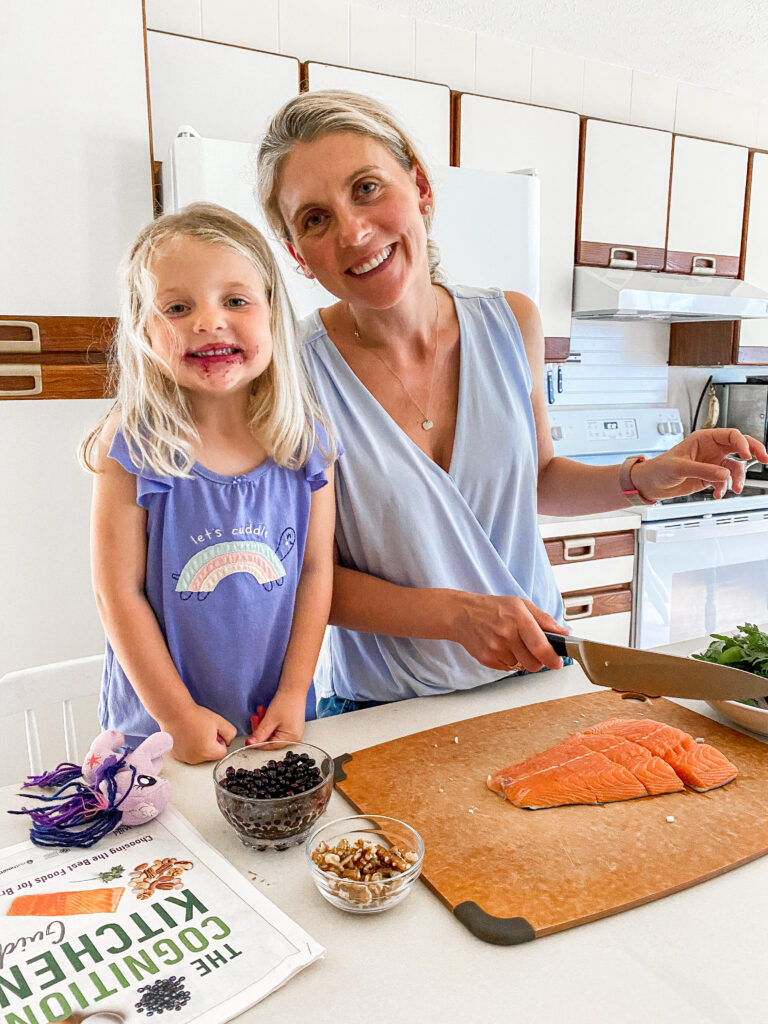
With the back-to-school season here, parents are gearing up for the bustling year ahead. The transition from carefree summer days to structured school routines can pose unique challenges, especially when it comes to ensuring children receive the nutrition they need to perform their best in the classroom. To help with some back-to-school nutrition strategies, we asked one of our favorite mom dietitians, Jenny Shea Rawn, for some tips. Jenny has a Master of Science in Nutrition and a Master of Public Health degree, is an accomplished author, and the loving mother of two young kids, Lucca and Lexi. In her career and role as a mother, she has a profound understanding of the importance nutrition plays in child development. During our conversation, she shared with us her approach to balanced breakfasts and smart lunch box choices that can help kids sustain their energy levels and cognitive function during the long school days.
A Balancing Act: Nutrient-Packed Breakfasts

When it comes to breakfast, Jenny advocates for protein, whole grains, and the inclusion of fruits or vegetables. “It’ll help with blood sugar stabilization and ensure that their brains can be thinking and they can maintain good energy throughout the day,” Jenny explained. To simplify busy mornings, she relies on quick and easy recipes like overnight oats, oatmeal, or smoothies. Her secret weapon? Infusing nutrient-rich wild blueberries. “Besides their nutritional benefits, the berries add a nice flavor to the dishes without adding any sugar. Plus, kids love the purple color. These recipes are super simple, nothing fancy—nobody has time for fancy stuff during the busy school week!”

Emphasizing the value of breakfast, Jenny makes sure her kids begin their day with a meal that nurtures their bodies and minds. Her approach aligns with decades of research, emphasizing that a balanced diet (especially one that includes wild blues) supports cognitive function and concentration in kids. Give one of these three kid-friendly breakfast recipes a try to start your children’s day off right.

Kid-Friendly Wild Blueberry Breakfast Recipes:

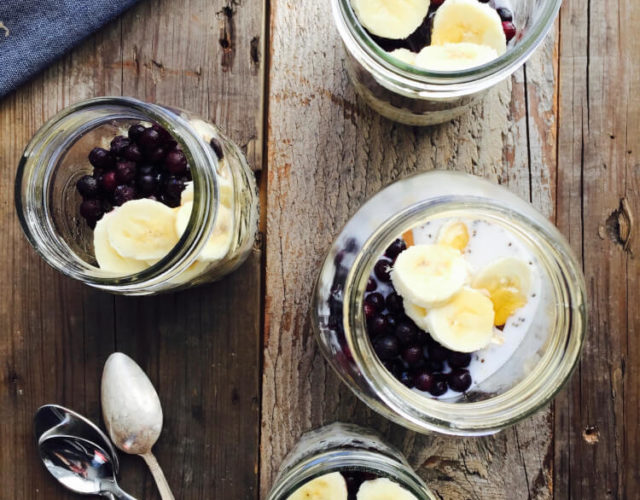
  1. Wild Blueberry Almond Butter Overnight Oats: By prepping this dish the night before, Jenny’s found that her mornings run a whole lot smoother! Wild Blueberry-Almond Butter Overnight Oats only take 10 minutes to make, then they sit in the fridge overnight. This healthy mix of fruit, nuts, and grains will help power your kids’ morning while still tasting absolutely delicious.
  1. Wild Blueberry Kefir Breakfast Smoothie: If you’re a fan of the one-minute breakfast, this one’s for you. This Kid-Friendly Wild Blueberry & Kefir Breakfast Smoothie is bursting with flavor—all you have to do is throw five ingredients in a blender to serve up some vibrant, purply-blue smoothie goodness.
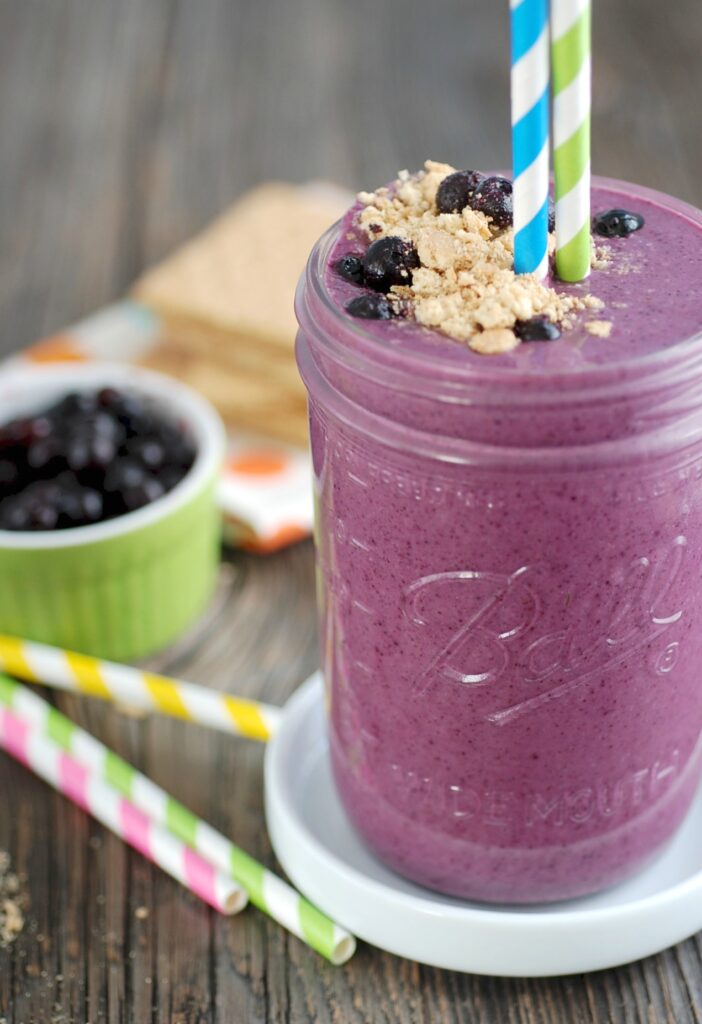
Recipe by Sally Kuzemchak, MS, RD of Real Mom Nutrition
  1. Wild Blueberry, Cranberry and Almond Oatmeal: Oatmeal is a super healthy breakfast option for your child–especially when you add some wild blueberries into the mix. Spice up your morning oatmeal and add some color to your child’s diet by trying this Wild Blueberry, Cranberry and Almond Oatmeal. Jenny’s kids love adding wild blueberries to their oatmeal because it turns purple! Win-win: nutrients and a fun color
Navigating School Lunches

When it comes to packing school lunches, Jenny provides her kids with a balanced menu that includes protein, healthy fats, and whole grains. While she acknowledges that school cafeterias might not always offer ideal choices, she encourages parents to supplement where they can throughout their child’s day.

“I do a little bit of meal planning, but I don’t go crazy over it. It’s just kind of knowing what they need, making sure they have protein, some healthy fats, and whole grains at every meal, then they’ll be set,” Jenny assured. “I also try to sprinkle in some fruits and vegetables wherever I can. We always have a healthy breakfast, and whether I pack their school lunch or they buy school lunch, we always try to go heavier on the veggies at dinnertime—especially on days when they’ve bought school lunch, and might not have made the best choices.” 

Jenny’s approach to school lunches encourages providing nutrient-rich alternatives that keep kids engaged and nourished throughout the day. She recognizes the value of variety and adaptability, ensuring her kids have options that resonate with their changing preferences. Seeking some home lunch inspiration? Try these wild blueberry recipes and surprise your child with something new and tasty.

Snacking Smartly

When it comes to snacking, Jenny ensures her kids are getting their nutrients while still enjoying the process through fun and engaging options. After-school snacks are a great way to supplement any valuable nutrients that were missed during the day. Her kids’ go-tos are sliced carrots with hummus, or other easy-to-eat veggies.

“If they’re coming home from school, I’ll offer them sliced carrots and hummus or celery and hummus, some veggie that I know that they can just kind of mindlessly eat and will enjoy snacking on,” Jenny shared. “Another one is Ants on a Log—a celery stick with peanut butter and wild blueberries, which is a fan favorite in my house, or cucumber boats with hummus and sunflower seeds.”

3 Habits to Incorporate into Your Weekly Routine

To lay the foundation for a successful week, Jenny has three invaluable tips that she lives by to guarantee her family is prepared for the week ahead. By integrating these methods into your own routine, you’re setting the stage for a week of balanced and delicious meals that contribute to your childs’ well-being and success in school.

  1. Weekend Meal Prep. Jenny’s found that a little planning goes a long way. “While I don’t adhere to the traditional Sunday meal planning routine, I do spend some time mentally mapping out what we’ll be eating from Monday to Friday. I focus on what needs to be stocked in the fridge and what dinner ideas we have in mind.” As part of her weekend routine, Jenny also sets aside time to do some fruit and veggie prep. “Carrots are a staple in our household, and we go through plenty of them during the week. I make sure to wash grapes and any other fruits that can be prepared ahead of time. I also dedicate a portion of my Sunday to preparing a big batch of lentils or cooking up whole grains. The prep doesn’t take up too much time, usually around half an hour, but it sets the tone for the rest of the week,” Jenny explained.
  2. Clean Kitchen Space. Starting the day with a clean kitchen can make a world of difference! Each night, Jenny makes sure to tidy up the kitchen, clean the table, and run the dishwasher. She even sets up the coffee maker for a seamless morning routine. “This way, we wake up every day to a clean slate and an organized space that eases the morning rush. There’s something about having a clean slate that makes getting breakfast and lunches ready feel less overwhelming,” Jenny shared. Having everything in order helps streamline her and her family’s mornings, ensuring that everyone is set for a successful day of learning.
  3. Utilizing Frozen Fruits & Veggies. As a mom who values efficiency, Jenny’s come to rely on frozen fruits and vegetables to enhance her kids’ back-to-school meals. “One staple in our freezer is a three-pound bag of wild blueberries. I always make sure we have one in the house, with an extra backup in the garage freezer. Not only do frozen fruits retain their nutritional value, but they’re also incredibly versatile,” Jenny explained. During busy school nights when time is limited, having a stash of frozen veggies and whole grains on hand can be a game-changer. It allows for quick and easy access to nutritious ingredients, ensuring that even on the most hectic evenings, Jenny and her kids are still nourishing their bodies and minds with the goodness they need.

Looking Ahead to the 2023-24 School Year

As we kick off the start of another school year, we hope you find some of these fantastic nutrition tips from our very own mom dietitian helpful, and that your kids are all set for an amazing year ahead! 

Looking for more insights from Jenny? Visit her website or follow her on Instagram. She also has a new cookbook called Coastal Kitchen which features delightful wild blueberry recipes, along with some incredible seafood recipes. 

A New Dietary Recommendation to Boost Heart Health—Bring on the Berries, Tea and Cocoa

By Kitty Broihier, MS, RD, LD

A month dedicated to hearts is romantic, but it can also be an opportunity to rededicate ourselves to taking care of our hearts. February is Heart Month, when the American Heart Association encourages us to adopt heart-healthy lifestyle and eating habits, such as consuming a wide variety of colorful fruits and veggies (including wild blueberries, of course). 

In general terms, produce provides nutrients, fiber and other compounds that support a healthy cardiovascular system. Now a new recommendation published by experts from the Academy of Nutrition and Dietetics (AND), gives us something more specific to aim for in our pursuit of a heart-healthy diet: getting more flavan-3-ols. 

What are flavan-3-ols?

Don’t let the science-y name scare you off! Flavan-3-ols are phytonutrients, also known as bioactives, or bioactive food compounds, (a term that the National Institutes of Health suggests we use for substances that provide health benefits other than those of basic nutrition). Flavan-3-ols are found in common foods and drinks like berries, apples, cocoa, red wine and tea. Like the anthocyanins in wild blueberries, flavan-3-ols are part of the flavonoid group of phytonutrients. Although flavan-3-ols are not essential for our survival like vitamins and minerals are, research has confirmed a role for them in helping to prevent and lower the risk of chronic diseases. “Consuming foods that are high in flavan-3-ols and low in added sugars and saturated fat can help reduce the risk of developing cardiometabolic diseases like Type 2 diabetes and cardiovascular disease,” notes Taylor Wallace, PhD, CFS, FACN one of the Expert Panel who co-authored the recommendation.   

How much do we need for heart benefits?

systematic review of over 156 randomized controlled trials and 15 cohort studies (previously published in the American Journal of Clinical Nutrition) informed the group’s recommendation, and it was an involved 2 year-long process. From all that work, the group distilled a recommendation for the general adult population: consume a diet that provides 400-600mg of flavan-3-ols per day. This amount has been associated with reduced risks of cardiovascular disease and diabetes, and specifically with improvements in blood pressure, blood cholesterol and blood sugar levels. Scientists are still investigating exactly how these compounds work in the body, but it’s believed that much of their cardiovascular benefits stem from a combination of their antioxidant and anti-inflammatory effects, among others. The most documented benefit of diets higher in flavan-3-ols was improvements in vascular health (particularly in lowering blood pressure and boosting blood vessel flexibility) and blood glucose and lipid levels. 

What should I eat to reach the recommended amount of flavan-3-ols?

Kim Stote, PhD, MPH, RDN, another member of the Expert Panel that co-authored the recommendation, says research shows that most men and women in the U.S. fall far short of the 400-600mg flavan-3-ol goal for heart benefits. “Data from the U.S. Department of Agriculture indicates that adults over age 20 currently consume about 170mg of flavan-3-ols per day. But it’s actually not that difficult to hit the mark,” explains Stote. “For example, you could meet the recommended level of flavan-3-ols by drinking 1-2 cups of brewed black or green tea, and eating ½ cup of berries and a small pear throughout the day,” says Stote. Consuming fruits and vegetables definitely makes it easier to reach the flavan-3-ol target. 

Where do blueberries and anthocyanins fit in?

The flavan-3-ol content of foods and drinks varies widely, and there are many fruits and vegetables that don’t contain abundant flavan-3-ols, but have other important, health-promoting bioactives. This is why Dr. Wallace suggests (and health authorities agree) that eating a diet containing a plentiful amount and wide variety of produce is a smart health move in general. “I think diversifying the diet is always a good idea,” says Wallace.

“Blueberries of all kinds tend to have higher levels of anthocyanins than most other foods, but aren’t as high in flavan-3-ols as some other foods. So it’s a trade-off, and the two groups of compounds likely exert synergistic effects for health promotion,” explains Wallace. “I would argue that anthocyanins have as much—if not more—data that demonstrates their preventative cardiometabolic effects,” adds Wallace. 

Keep in mind that all berries are healthy. Choose those that taste best to you (we are partial to the extra blueberry-ish taste and convenience of frozen wild blueberries), and eat them regularly.

Flavan-3-ol content of selected foods:*

Brewed green tea, 8 oz.                      318mg

Brewed black, 8 oz.                             277mg

Red wine, 5 oz.                                   16.6mg

Blackberries, 1 cup                             63.7mg

Small apple                                         15.3mg

Blueberries, 1 cup                               10mg

Raspberries, 1 cup                              8.7mg

Strawberries, 1 cup                             6.9mg

Red or green grapes, 1 cup                 5.8mg

Cocoa powder, 1 Tablespoon             13mg

Sources:

* Kristi M Crowe-White, Levi W Evans, Gunter G C Kuhnle, Dragan Milenkovic, Kim Stote, Taylor Wallace, Deepa Handu, Katelyn E Senkus, Flavan-3-ols and Cardiometabolic Health: First Ever Dietary Bioactive Guideline, Advances in Nutrition, Volume 13, Issue 6, November 2022, Pages 2070–2083, https://doi.org/10.1093/advances/nmac105

Easy Ways To Maintain Nutrient Density In Our Diets As We Age

Written by Kitty Broihier, MS, RD, LD, Nutrition advisor and spokesperson for the Wild Blueberry Association of North America.

Did you ever hear an older person in your life say “I just don’t have an appetite” or “I rarely feel hungry anymore.” No, it’s not just in their heads. It’s a fact that as we age, our need for energy declines, along with our appetites. In general, older adults need less—and tend to eat less food overall—than younger adults. For many, this presents a situation of nutritional “mismatch” that can be problematic for health. 

Declining appetite with age presents a nutrition challenge

Mother Nature created a nice pairing of decreased desire for food with declining energy needs as we age, until it comes to nutrient needs. While our energy (or caloric) needs decrease with age, our nutrient needs generally don’t – in fact, some are even higher. This translates to a challenging situation for many older adults which may result in quality issues for their overall diet.

Recent research in over 10,000 US adults with an average age of 73 found that, from 2001-2018, diet quality deteriorated significantly. Using data obtained from the nine National Health and Examination Surveys conducted during this period, the researchers compared participant data against the American Heart Association nutrition quality index. Based on those scores, they found that the proportion of older US adults with poor diet quality increased from about 51% to 61% during that time period. The percentage of older adults with ideal diet quality stayed the same at only about 1%. The researchers also found that consumption of whole fruits by adults this age decreased by nearly 51% over that time period.

Three ways that older adults can pack more nutrition into their diets

Keeping calories in an appropriate range while maintaining (or increasing) the nutrient content of the diet requires some attention and intention, but it doesn’t have to be difficult. Jacqueline B. Marcus, MS, RDN, FAND, founder of TasteOverTime, a website focused on providing resources and advice for “eating and drinking while aging tastefully,” points out that “In this study, older adults reduced their intake of fruits and vegetables, fish and whole grains, but these items are easier, more convenient and somewhat more economical than ever before.” Jacqueline provided three helpful strategies for boosting the nutrient density of an older (or any aged) person’s diet. 

  1. Cultivate a smoothie habit: Not only are older people at higher risk for dehydration, they also can benefit from more fiber and more protein—all things that a moderately-sized smoothie can provide. Plus, smoothies are easy to consume (important for those with dentition or swallowing issues), can serve as a snack or a beverage, and are a breeze to prepare. Creating a wild blueberry-based smoothie each day also can deliver cognitive benefits, which researchers attribute to their high level of anthocyanin pigments and potent antioxidant effects. With twice the fiber of ordinary blueberries and a more intense blueberry taste, frozen wild blueberries are a convenient and simple smoothie addition that provide great flavor. Check out our wide variety of wild blueberry smoothie recipes. 
  2. Look for healthy food items, such as produce, in convenient forms and package sizes: For older people, purchasing large quantities of produce or other fresh foods, even if the price is tempting, is often a set up for wasted food. Jacqueline recommends looking for smaller packages of nutritious foods, as well as heat-and-eat items for easy options. Of course, fresh produce is great but we recommend purchasing just a few pieces at a time if possible, and don’t overlook frozen and canned fruits and vegetables. Not only are frozen produce items (like wild blueberries!) convenient because they’re easy to take out just the right amount desired so there’s no waste, but they are also frozen when perfectly ripe, so nutrients are “locked in” at peak levels. To avoid unwanted added sugar, salt or fat, be sure to look for lower-salt or no-added-salt canned veggies, and plain, un-sugared, and un-sauced frozen items.
  3. Enhance food flavors with nutritious mix-ins: Experiencing a decrease in ability to taste and smell is common among older people. Increasing the flavor impact of nutritious foods not only boosts interest in eating and food enjoyment, but can also introduce added nutrients. Making food more colorful can help and all can be achieved by using some popular add-on ingredients like toppings, garnishes, and sauces. Consider trying some of the following easy ideas to help make healthy foods even more nutritious:
  • Top yogurt, cottage cheese, and hot or cold cereal with a sprinkle of frozen wild blueberries (or berry mixture) for more color, texture, and health-promoting phytonutrients
  • Add sliced hard-boiled eggs for more protein and color in your salads, sandwiches, and pasta dishes
  • Eat meat and poultry with a fruit sauce made from fresh or frozen fruit. This goes a long way to enhance the appeal and flavor of pork, chicken, and turkey which can sometimes be less appetizing as people age 
  • Augment the savory flavors and nutrition content of soups and stews with ingredients like mushrooms, peas, and tomato paste 
  • Scatter chopped, unsalted nuts (toast them if you like) over cereals, cooked or canned fruit, and cooked vegetables. Ground nuts can be incorporated into sauces like pesto to use with pasta, over vegetables or as part of a dip 

No matter how you spice up your meals, it’s so important to ensure you’re getting the necessary nutrients to fuel your body at every age. Need some recipe inspiration? We’ve got you covered.

Why Choose Frozen Wild Blueberries?

Frozen foods tend to get a bad reputation for being unhealthy and hyper processed, but truth be told, you can actually find amazing and nutritious healthy food options in the frozen foods aisle – especially when it comes to frozen fruits and vegetables. Since the concept of flash-freezing fruits and vegetables was invented in the 1920s, frozen foods have become a staple many people rely on for weekly meals. As of 2022, the American Frozen Food Institute reported that 99.4% of U.S. households consume frozen foods. And while many people question the nutritious benefits of frozen fruits and veggies, it’s actually been found that they possess a higher nutritional value than those of their fresh counterparts.

Exhibit A: Naturally grown and nutritiously delicious wild blueberries. 

These tiny, potent berries are tasty whether they’re consumed frozen or fresh, but frozen wild blueberries are frozen at peak of ripeness, locking in nutrition benefits and taste. So, in this case, frozen is actually fresher. In honor of March being National Frozen Foods Month, we’re dishing on why this is the case.

The Benefits of Flash Freezing Wild Blueberries

Did you know that:

  • Flash freezing fruit locks in fresh taste, nutrition, and convenience
  • Research shows frozen fruit is often nutritionally superior to its fresh counterpart
  • 40% of all food produced in the United States is not eaten before expiration. Frozen food can help reduce the food waste epidemic in the United States.
  • Frozen food generates 47% less food waste than ambient and chilled food in the home

What can we say…the facts don’t lie!

The Wild Blueberry Journey: Harvest to Household

Wild blueberries are harvested in Maine, right where Mother Nature put them more than 10,000 years ago. Harvest season takes place annually in July and August and over 90% of the crop is flash frozen at the peak of ripeness so you can enjoy the taste of Maine summer all year long. To make sure you’re getting true wild blueberries, you’ll want to visit the frozen fruit section of your local grocery store and double check that the package says “wild” on it. 

So, how do these little blue gems get from harvest to your table? Here’s the journey of frozen wild blueberries:

  • Hour 1: Picked at peak of ripeness
  • Within 24 hours: Washed and flash frozen to lock in key vitamins, minerals, and tasty goodness
  • Ready to enjoy, well…whenever: delivered to the frozen foods aisle of your local grocery store, ready for you to bring home!
  • Extended shelf life: Good for about 6-9 months if kept constantly frozen

Unlike wild blueberries, ordinary blueberries can be planted anywhere and grow year round. Their journey is a little different than frozen wild blueberries. Let’s dive into the differences in the journey of an ordinary blueberry from farm to table:

  • Day 1: Picked before they’re ripe
  • Day 2-8: Transported, packed, and distributed to grocery stores 
  • Day 9-14: Arrival at grocery store 
  • Day 15-20: Purchased and eaten at home
  • Short shelf life: Should be eaten within one week of purchase 

So, now you know, frozen is fresher – and just as nutritious and delicious as fresh. 

And the best part? Wild blueberries are versatile! Keep your freezer stocked so you have easy access to frozen wild blueberries to blend in your smoothies or to top off your oatmeal year round.

If you want to learn more about why frozen really is fresher, check out the Wild Blueberries website for more information. Happy Frozen Foods Month! Celebrate by picking up some frozen wild blueberries from your local grocery store (just make sure it says “wild” on the package).

A Healthy Heart Month “Two-fer” From Wild Blueberries

Written by Kitty Broihier, MS, RD, LD, Nutrition advisor and spokesperson for the Wild Blueberry Association of North America.

Getting a two-for-one deal is attractive any time of year, and when it comes with health benefits and a delicious taste, that’s even better! Have you ever heard the saying, “What’s good for the heart is good for the brain?” Yes, that’s the “two-fer” we are talking about here. February is Heart Month, so it’s a perfect time to explore the heart-healthy benefits of wild blueberries. It’s also the perfect time to talk about why the same components that help the heart are likely to also help the brain. Let’s take a closer look at how this relationship works in the body, and how you can take advantage of this special wild blueberry “two-fer” benefit.

How can wild blueberries benefit heart health?

On the most basic level, eating wild blueberries is good for your ticker because fruits and vegetables are a cornerstone of a heart-healthy diet. First, produce provides nutrients, fiber and phytonutrients that support a healthy cardiovascular system. The American Heart Association encourages us to choose a variety of fruits and vegetables specifically for their heart-healthy nutrients. 

Secondly, an increasing body of scientific evidence links the purple-blue pigments in wild blueberries, called anthocyanins, to a reduced risk of diseases, including cardiovascular disease. Improvements in vascular function have been seen in several studies with wild blueberries. Other research has shown a reduction in the risk of hypertension (high blood pressure) with higher anthocyanin intake. And a recent meta-analysis of research on anthocyanins, anthocyanin-rich berries and cardiovascular disease concludes that the evidence suggests that regular consumption of anthocyanin-rich berries could help prevent cardiovascular disease through lipid-lowering and anti-inflammatory properties. Wild blueberries have the highest concentration of anthocyanins among commonly consumed berries, and 33% more per serving than cultivated blueberries. And of course, they’re delicious! So it’s easy to eat a scoop of them every day. 

How are anthocyanins healthy for the brain?

The abundant anthocyanin pigments in wild blueberries that confer heart benefits are the same compounds that are associated with improved brain health and cognition. Research studies have shown links between anthocyanins (part of the naturally-occurring plant compound class called flavonoids) and brain benefits ranging from staving off age-related dementia to memory and executive function (our ability to organize, focus and make decisions). Scientific evidence indicates that flavonoid compounds, such as anthocyanins, can be brain boosting for children and teens, too.

How to put together a diet that benefits both the heart and the brain 

Putting together a healthy diet doesn’t have to be complicated. Although science evolves over time, the basics of what constitutes a healthy diet generally stay the same. 

According to the World Health Organization (WHO), a healthy diet not only protects against malnutrition, it also helps prevent diseases like heart disease, diabetes, stroke and cancer. As far as promoting both brain and heart health, it’s clear that both will benefit if you eat a diet that’s: 

  • packed with produce
  • lower in saturated fat
  • and lower in added sugars and salt (sodium) 

So, what can you do specifically? Consider focusing on what to add. When you pack a diet with “good stuff” there is naturally going to be less room for those foods that aren’t doing your body any favors. One impactful way to begin is by adding more produce to your diet, since most people fall short of getting enough of these important foods. 

  • The WHO lists fruits and vegetables first on their list of what a healthy diet includes, and recommends getting five servings of produce per day.
  • Health authorities also suggest that increasing the variety of fruits and vegetables we eat is important for covering nutrient needs. An easy way to increase variety is to focus on color. 
  • Choose fruits and vegetables that provide a range of colors. There aren’t a lot of blue fruits and veggies, so wild blueberries are an easy choice there.
  • Start having fruits and veggies as snacks instead of choosing cookies, crackers or chips that are loaded with sodium, sugar or added fats. 
  • Keep it simple and opt for fruits and vegetables that have no added ingredients. Not only are they more healthful than versions with added sauces, sugar or syrups, but they’re more versatile as well. Frozen wild blueberries have no sugar or salt added, yet they have lots of flavor—and they are perfect for snacking, or putting in a smoothie or sprinkled over cereal or yogurt. Plain frozen vegetables can easily be added to recipes as they are, or jazzed up with herbs and spices.
  • Expand your recipe repertoire. Browse Pinterest, recipe websites and cooking blogs online for lots of tasty-looking ideas. Keep in mind the other factors in your brain- and heart-healthy diet (trimming saturated fat, keeping a lid on sodium and sugar) so you don’t “undo” the benefits of those fruits and veggies. 

If you need wild blueberry recipe ideas, we’ve got you covered from breakfast to dinner.

The Seven Wild Ways to a Healthy Brain in 2024

‘Tis the season for mulling over your New Year’s resolutions and setting intentions for the year to come. As you head into the holiday season, perhaps you’re considering prioritizing personal health and wellness in 2024. But as you think about those resolutions, one important health and wellness goal that often gets overlooked is brain health. Not sure how to incorporate a brain healthy lifestyle into your everyday life? You’re in luck! Here are seven wild ways to a healthy brain that will help jump start your 2024. 

  1. Move Every Day: Exercise enhances blood flow to the brain, increases brain cell connections, and requires balance and spatial relation practice. Plus, the endorphins we get from exercise make us happy! Win win.
  1. Stimulate Your Mind: Stay curious by reading, mastering a new skill, and challenging your brain every day. It’s always good to keep learning as we age and it keeps our minds sharp all the while.
  1. Prioritize the ZzZzs: Brains need a reset each day, so don’t skip on the shut-eye. If you’re curious how much sleep you should be getting to give your brain the rest it needs and deserves, check out this resource from the Sleep Foundation.
  1. Manage Your Health: Work with your doctor to stay on top of chronic conditions (e.g. high blood pressure or diabetes).
  1. Be Social: Spending quality time with friends and family is good for your brain. This can be as simple as picking up the phone to catch up with a friend, or meeting up in person. Whatever you feel comfortable with!
  1. Stress Less: Activities like yoga or meditation help reduce anxiety and improve mood and relaxation. Make these rituals a part of your routine for a happier, less stressful day.
  1. Pick Brain-Healthy Foods: Make it easy by adding a healthy scoop of frozen wild blueberries to your morning regimen – it’s honestly the tastiest brain food you’ll find. With 2x the antioxidants and 33% more brain-healthy anthocyanins than ordinary blueberries, wild blues have been linked to brain health and cognitive performance for years. And now there’s growing evidence from numerous studies that suggests eating wild blueberries daily, no matter your age, may be a practical and effective part of a brain-healthy diet. 

Need some inspiration for meals that incorporate brain-healthy wild blueberries? Check out our Cognition Kitchen Guide – it outlines the science, lifestyle tips, and of course delicious recipes. We also have an extensive recipe library that includes dozens of ways to incorporate wild blueberries into your family’s daily meals. From smoothies to entrees, we’ve got you covered.

No matter what the next year has in store, do your brain a favor and prioritize your noggin with these seven tips. Looking for more brain health information? Visit our website. Happy 2024!

The Wild Difference: Celebrating Wild Foods Day All Month Long

Fall has officially arrived here in Maine, which means Wild Foods Day is right around the corner! Wild Foods Day is celebrated on October 28th., but we wanted to kick things off a little early so we can enjoy our favorite wild foods all month long! For thousands of years, humans have been foraging the land to collect and eat the naturally grown foods that Mother Earth provides for us. In celebration of Wild Foods Day, let’s discuss what makes wild blueberries, well…wild.

What classifies these little blue gems as *wild*?

Many people don’t know that there are two types of blueberries–cultivated (or ordinary) blueberries and wild blueberries. Our farmers don’t plant wild blueberries but nurture these naturally occurring berries where Mother Nature put them more than 10,000 years ago. They are just here. Wild blueberries actually germinate on their own and spread through an underground rhizome system. Because they are naturally occurring plants, this is what makes them truly “wild”!

The History of the Wild Blueberries 

Wild blueberries emerged on the desolate plain which is now known as ‘The Barrens’ of Maine, Eastern Canada, and Quebec, following the retreat of the glaciers more than 10,000 years ago. These native berries thrive in extremely cold harsh conditions and have to protect themselves against environmental stressors. It’s the reason why wild blueberries have such a high anthocyanin content..Anthocyanins are the plant compounds found in the skin of the wild blueberry that give them their pretty purply blue hue. A growing body of research suggests anthocyanins work to reduce inflammation and are beneficial to humans. Wild blueberries have 33% more anthocyanins than ordinary blueberries—giving you a big leg up when it comes to keeping your brain and body running strong. According to the first documentation of their use, wild blueberries were first consumed both fresh and dried for their flavor, nutrition, and healing qualities. They have never been hybridized or genetically modified by humans to enhance or alter characteristics.

Instead, they modify completely on their own to make diverse and genetically different varieties of wild blueberries within every field. This diversity is what gives each wild blueberry a unique blend of intense and deliciously complex flavors–or as we like to call it the “blueberry-est flavor around.”  

How Wild Blueberries Grow

Wild blueberries have an extensive underground rhizome system–as much as 70% of the plant actually lives underground–spreading horizontally in the few inches of organic matter atop the sand and gravel of glacial soil below. These berries are grown in two year cycles, and are pruned to help promote the health and fruitfulness of the plant. Once pruned, new stems sprout from the rhizome, grow, and form flower buds which turn into those little wild blueberries we all love! Because they grow in this way, they are only harvested during the late summer months each year. That’s why fresh wild blueberry season in Maine is a truly special time of year. Otherwise, you can buy frozen wild blueberries year round in the frozen foods aisle of your local grocery store (just make sure it says “wild” on the packaging).  

Why Choose Wild Blues?

Choosing wild over ordinary blueberries is the way to go for many reasons, but our top five are because wild blueberries…

1. Have a more intense blueberry flavor:

Thousands of naturally occurring diverse plants in every field combine to create a potent and complex flavor ranging from tangy tartness to succulent sweetness that ordinary blueberries can’t match.

2. Possess more Antioxidant Power:

33% more brain healthy anthocyanins and 2x the antioxidant capacity of ordinary blueberries makes wild blueberries the berry healthy bodies and brains crave.

3. Are Smaller (with a stronger punch):

Smaller wild blueberries offer a higher skin-to-pulp ratio; meaning less water and more antioxidant-rich pigments, more fiber, and more intense blueberry flavor per serving.

4. Are Grown Wild & Local:

As 1 of 3 native North American fruits, wild blueberries are never planted. They grow wild in the thin glacial soils and harsh northern climate of Maine – the very same place where Mother Nature put them more than 10,000 years ago.

5. Are Frozen at Peak Freshness:

Harvested at the peak of Maine summer, 99% of the wild blueberry crop is frozen fresh within 24 hours ensuring all the taste and health benefits are ready for you in the frozen fruit section of the grocery store.

Join us in celebrating Wild Foods Day a little early by trying some frozen wild blueberries! We promise they’ll dress up any meal or snack, or you can simply enjoy them as they were meant to be…frozen, delicious, and wild.

New Research Links Eating Flavonoid-Filled Foods to 20% Lower Risk of Cognitive Decline

As another wild blueberry harvest season wraps up in Maine, farmers are freezing these little blue gems so people around the country can enjoy them year round. Over the years, wild blues have earned the nickname “brain berries” and new research further supports this reputation. The new study tracked participants for 20 years and revealed that those who ate a diet of flavonoid-filled foods (like strawberries, oranges, peppers, and yes, of course, wild blueberries!) reported less cognitive issues. Overall, researchers saw a 20% lower risk of cognitive decline over the research period. 

What Are Flavonoids?

Flavonoids are naturally occurring compounds found in plants that are associated with health benefits due to their various bioactivities or actions that promote good health.. One of their important bioactivities is that they are powerful antioxidants. Flavonoids are found in all plant-based foods, but there are higher concentrations in deeply colored fruits and vegetables like wild blueberries. Anthocyanins (a type of flavonoid with antioxidant effects) give wild blueberries their deep purply, blue hue–in fact, wild blueberries have 33% more brain-healthy anthocyanins than ordinary blueberries.

Now that we’ve covered Flavonoids, let’s dive into the study a bit.

About the Study: Flavonoids Are Good For Brains of All Ages!

  • The study used population statistics to analyze responses obtained from about 50 thousand women and 25 thousand men, all middle aged, regarding their self-perceived cognitive ability, and their dietary habits. 
  • These standardized questionnaires were completed a few times over the 20 year period by the study participants and were designed to provide an assessment of early memory problems. Question examples include: 
    • “Do you have more trouble than usual remembering recent events?”
    • “Do you have more trouble than usual remembering a short list of items?” 
  • Participants were categorized into groups based on their reported intake of flavonoids (dietary habits) 
  • Study analysis revealed that participants in the highest flavonoid intake category (about 600 mg per day (2.5 cups) ) had about 20% lower relative risk of memory loss compared to participants in the lowest intake category (about 150mg or ¾ cups flavonoids per day). 
  • For reference, one cup of wild blueberries contains about 200mg of total flavonoids, almost entirely in the form of anthocyanins. 

What Does This Study Mean for  Brain Health?

The evidence reported in this study alone is notable, but this study also adds to the growing body of evidence from other population studies, which all present similar findings–specifically, that greater flavonoid (especially anthocyanin) intake is associated with better health outcomes. So, as you consider some recipes for your family’s table, grab a healthy scoop of wild blueberries (a.k.a. brain berries) to help your noggins today and everyday! You can find them in the freezer aisle of your local grocery store (just make sure the package says wild on it).

Curious to learn more about wild blueberries and their brain health benefits? Check out our website and follow along on social–Instagram, Facebook, and Twitter–to get some wild blue goodness in your day, everyday. 

Brain-Healthy Breakfast Recipes to Start Busy School Mornings Off Right

It’s that time of year again–some kids have already had their first day of school while kids here in Maine are just heading back to the classroom. While it’s still a little unclear what the school year will ultimately look like for your child–either in-person learning or remote–we want to say a big thank you to all the parents out there.  

While we can’t help with the homework, we can help with making your mornings a bit easier. For most families, mornings are super busy but breakfast is the one meal during the day that parents tell us they have complete control over what their child eats. So, why not make breakfast filled with brainy-healthy foods to give your kiddos a great start to their school day? Here’s a little breakfast inspiration: six wild blueberry breakfast recipes that will help nourish your child’s brain. With 33% more brain-healthy anthocyanins and 2x the antioxidants of regular blueberries, adding a healthy scoop of wild blueberries to your kid’s morning is a great way to begin the day. 

Try these grab-and-go Wild Blueberry Mini Muffins

The morning goes quickly, especially when you’re juggling so much! Out of time? No problem, these quick and easy, grab-and-go Wild Blueberry Mini Muffins are the perfect solution. Simply bake them in the evening, store them in a tupperware container, and everyone will be able to grab a yummy muffin on their way out the door in the morning. 

Pro tip: throw them in the microwave for 15 seconds to make it nice and warm before biting into some wild muffin goodness.

Whip up some Wild Blueberry Zucchini Bread

Start your day on a nutritious note with our Wild Blueberry Zucchini Bread—a delicious and wholesome treat designed to fuel young minds. Packed with vibrant wild blueberries and nutrient-rich zucchini, this bread offers a delectable way to kick-start your mornings. Wild blueberries are best in this recipe because they add a bold, tart flavor and their small size means more berries per bite.

Prep some Dried Wild Blueberry Almond Granola

Bursting with nutty almonds and antioxidant-packed dried wild blues, this Dried Wild Blueberry Almond Granola not only supports cognitive function, but also delivers essential nutrients that growing bodies need. Prepare a batch in advance and enjoy it as a quick weekday breakfast or as a topping for yogurt parfaits.

Have dessert for breakfast with Wild Blueberry Crumb Cake

With ‘cake’ in the title, this is an easy make-ahead breakfast option that tastes good and may encourage your kids to eat breakfast–especially if they think they’re getting away with eating dessert in the morning. Wild Blueberry Crumb Cake tastes delicious without sacrificing added nutrients. 

For the toast fans out there, try some Coconut Peanut Butter Wild Blueberry Toast

If your child loves old-school PB&Js, try this homemade spin-off: Coconut Peanut Butter Wild Blueberry Toast. Using just seven simple ingredients, top your grain of choice (e.g., whole wheat bread, an english muffin, or whatever your child loves!) with some wild blueberry goodness. 

Blend up a Mix-In-A-Pan Wild Blueberry Snack Cake 

Introducing a hassle-free marvel for busy mornings: Mix-In-A-Pan Wild Blueberry Snack Cake! The ease of preparation makes it an ideal option for hectic school days—simply mix the ingredients in a single pan and pop it in the oven. Plus, it’s a versatile delight that can be sliced into convenient portions for breakfast on-the-go or as an after-school pick-me-up.

Did you know that research has found wild blueberries to have a positive effect on your child’s memory, decision making, response times, concentration, and mood? That’s why wild blueberries should power your family’s morning to make for a great day ahead. If you try one of the above breakfast recipes, let us know which one your kids loved the most! Take a picture, post on social, and tag us on Facebook, Instagram, and Twitter so we can see your kids’ *wild* breakfast. If your profile and/or post is public, we’ll be sure to repost it on our stories or respond. Can’t wait to see what you come up with for your family!

Back to School: Brain Support for Kids

As we switch gears from summer to fall, back to school time brings lots of things to mind, including new school clothes, new teachers, and a renewed emphasis on habits to support our children as they get back into the classroom. And, while your child might be more interested in picking out a new lunchbox, you are probably more concerned with figuring out what goes into it. Not to worry—we’ve got you covered with information on brain-healthy foods (like wild blueberries) and kid-friendly lunch and snack ideas to help support a smooth back-to-school transition for the whole family. 

Which foods support developing brains?

Healthy food helps grow healthy bodies, but did you know that there is increasing scientific evidence of a link between improved nutrition, brain development, and optimal brain function?1 Research also suggests that cognitive ability attained in childhood determines, in part, cognitive ability in adulthood.2 And since the brain develops faster than the rest of the body during childhood, nourishing your young one’s noggin by choosing healthy foods is a priority. 

In general, brains are best fueled by a diet that’s filled with nutrient-packed foods that deliver an array of vitamins and minerals, protein, and healthy fats. Foods that deliver essential nutrients needed for proper growth and development of both body and brain include: 

  • colorful fruits, especially blue/purple/red colored berries (like wild blueberries!),
  • vegetables,
  • eggs,
  • whole grains,
  • legumes,
  • nuts,
  • seafood,
  • lean protein,
  • and dairy products.

Do wild blueberries boost brain power in kids?

Our brains and cognition are complex, and research is designed to test specific aspects of cognition in a highly controlled way.  A growing body of scientific evidence suggests that children and teens perform better on specific cognitive tests within a matter of hours after eating wild blueberries. Studies examining wild blueberries reported positive impacts in three specific areas of children’s cognition, including:

  • Memory: Two studies that tested children ranging from ages seven to 10 found that consuming a wild blueberry beverage improved performance on a word list recall task.  Improvements were detected in children taking the wild blueberry drink, but not the placebo drink, as soon as two hours after intake and later on throughout the day.3,4
  • Executive function: Executive function is a category of cognitive ability that helps us to plan, organize, focus, concentrate, problem solve, and self-regulate. Cognitive skills involving executive function are not fully developed until early adulthood. Children who have problems with executive function can face academic challenges .5 A recent double-blind placebo-controlled study reported that children who consumed a wild blueberry drink performed better on computer-based tests that examined attention and decision-making. By testing at different times and using tests of increasing difficulty, researchers noted that wild blueberry intake had a greater impact as tests became more difficult.6
  • Mood: It’s widely known that adolescent youth are vulnerable to developing depression during an important period of cognitive development. Researchers in the UK conducted a controlled, double-blind trial to investigate the impact of wild blueberry consumption on mood in children and teens. In this study, the young participants responded to questions using a numbered score, and responses from those who consumed a wild blueberry drink shared a better positive mood score than those who consumed the placebo when measured two hours after intake.7 According to one of the researchers, a sustained low mood is a core feature of depression. Another study by the same research group looked at self-reported mood in 64 healthy teenagers randomly assigned to take either a wild blueberry drink or placebo daily, for four weeks. When surveyed at the conclusion of the study, the teens who had consumed the wild blueberry drink had significantly lower scores on measures related to depression symptoms compared to those in the placebo group*.8

How do wild blueberries impact cognition?

The mechanisms underpinning the beneficial effects of wild blueberries on cognition and brain function are not fully understood. Right now, researchers believe that the abundant anthocyanin flavonoids of wild blueberries may be a big part of the answer. Flavonoids are a diverse group of natural bioactive compounds found in fruits, vegetables, coffee, cocoa, and tea. In wild blueberries, anthocyanins—which are the red, blue, and purple berry pigments—are the predominant flavonoid. In fact, wild blueberries have 33% more anthocyanins than regular blueberries. During digestion, anthocyanins break down extensively. It’s likely that anthocyanins and their breakdown products are largely responsible for the specific health effects seen with blueberries.9

For more information about wild blueberries, cognition, and brain health, check out our brain health content hub.  

Don’t let fruit fall off the plate (or bowl)

Getting flavonoids in your child’s diet means making sure that they eat plenty of fruits and vegetables. According to the Dietary Guidelines for Americans, while preschool-aged children generally have adequate fruit and vegetable consumption, average produce consumption by late adolescence is about half of the recommended amount. The Guidelines specifically recommend that total fruit consumption be maintained throughout childhood and teen years to optimize overall food intake and nutrition. In general, this means kids ages two through 18 should get from 1-2 ½ cup equivalents of fruit per day, depending on caloric intake and age.10 Providing children with a variety of fruit choices, including both fresh and frozen fruit like wild blueberries or more processed products that are deeply colored, (e.g., juice), means kids will get the wide range of fruit and berry bioactive nutrients they need.

Start a lifetime wild blueberry habit this school year 

You know that kids like foods that are fun and taste good. Luckily, wild blueberries are super tasty (with no added sugar!) and fun to eat–think purple tongues! And parents appreciate the health aspects, versatility, and good value of frozen wild blueberries. 

We’ve covered how wild blueberries can improve cognition, and there is also a growing number of long-term population studies providing evidence that daily intake of moderate amounts of anthocyanins can support human health and reduce disease risk as we age. In these epidemiological studies, diet records obtained from large populations over many years correlate the intake of specific foods and food components (including anthocyanins) with health outcomes. Overall, there is a robust body of published research showing us how and why you should make wild blueberries a daily habit for you and your family.

Kid-approved ways to use wild blueberries

Adding wild blueberries to your back-to-school routine is a win for everyone.

Here are some easy ideas that kids will love:

  • Goodness, straight from the bag: Wild blueberries are picked at the peak of their ripeness, washed and flash frozen, which locks in nutrients and preserves fresh wild flavor. Frozen wild blueberries need no adornment, they are delicious as they are! Lots of kids like to eat them frozen, or just slightly thawed. Just put them in a bowl or custard cup and hand your child a spoon—it doesn’t get easier than that. 
  • A daily sprinkle: Adding a sprinkle of wild blueberries to foods that your child is already in the habit of eating daily is a great “add-on.” Try a sprinkle of wild blueberries over cold cereal, oatmeal, or yogurt. At dinner time, a sprinkle of wild blueberries makes a colorful and refreshing addition to a green salad or fruit salad.
  • Smooth operator: Enjoying wild blueberries in a smoothie is one of the favorite ways that kids like to eat them. Adding a scoop of frozen wild blueberries adds a flavor boost to any smoothie, while bumping up the nutrition factor–plus, the frozen berries keep smoothies nice and frosty. Check out our variety of smoothie recipes.
  • Freeze it up: Wild blueberries can be easily made into delicious frozen treats like ice-pops, ice cream, and sorbet. A wild blueberry ice pop after school is a treat that’s hard to beat—such a fun way to get a good dose of anthocyanins and other nutrients. Your kids (and their growing brains) will thank you!

For more ideas and recipe inspiration, check out the huge recipe collection on our website.

References:

  • Gow, A. J., Johnson, W., Pattie, A., Brett, C. E., Roberts, B., Starr, J. M., & Deary, I.J.  Stability and change in intelligence from age 11 to ages 70, 79, and 87: the Lothian Birth Cohorts of 1921 and 1936. (2011) Psychology and Aging, 26(1), 232–240. https://doi.org/10.1037/a0021072
  • Whyte, A. R., & Williams, C. M. Effects of a single dose of a flavonoid-rich blueberry drink on memory in 8 to 10 y old children. (2015) Nutrition, 31(3), 531–534. https://doi.org/10.1016/j.nut.2014.09.013
  • Whyte, A. R., Schafer, G., & Williams, C. M. (2016). Cognitive effects following acute wild blueberry supplementation in 7- to 10-year-old children. (2016) European Journal of Nutrition, 55(6), 2151–2162. https://doi.org/10.1007/s00394-015-1029-4
  • Whyte, A. R., Schafer, G., & Williams, C. M. (2017). The effect of cognitive demand on performance of an executive function task following wild blueberry supplementation in 7 to 10 year old children. Food & Function, 8(11), 4129–4138. https://doi.org/10.1039/c7fo00832e
  • Khalid, S., Barfoot, K. L., May, G., Lamport, D. J., Reynolds, S. A., & Williams, C. M. (2017). Effects of acute blueberry flavonoids on mood in children and young adults. Nutrients, 9(2), 158. https://doi.org/10.3390/nu9020158
  • Fisk, J., Khalid, S., Reynolds, S. A., & Williams, C. M. (2020). Effect of 4 weeks daily wild blueberry supplementation on symptoms of depression in adolescents. The British journal of nutrition, 1–8. Advance online publication. https://doi.org/10.1017/S0007114520000926
  • Kalt, W., Cassidy, A., Howard, L. R., Krikorian, R., Stull, A. J., Tremblay, F., & Zamora-Ros, R. (2020). Recent Research on the Health Benefits of Blueberries and Their Anthocyanins. Advances in nutrition (Bethesda, Md.), 11(2), 224–236. https://doi.org/10.1093/advances/nmz065
  • U.S. Department of Agriculture and U.S. Department of Health and Human Services. Dietary Guidelines for Americans, 2020-2025. 9th Edition. December 2020. Available at DietaryGuidelines.gov.