Quick, Last Minute Solutions for a Healthy, Pain-Free Thanksgiving
We know Allison Fishman is a proponent of wild blueberries, learning to cook, and having plenty to chew on your plate. We love all three, so who better to weigh in on a healthful, always delicious Thanksgiving? Try a taste! She offers up Ciabatta Stuffing with Chestnuts & Raisins on this segment of Access Hollywood. It’s healthier, tastier, and totally calorie-busting.
In her capacity as Skinny Cook extraordinaire, Fishman is a Contributing Editor at Cooking Light, and they have some meal-saving last-minute cooking ideas for the holiday to help keep you sane in the kitchen. It includes a list of best holiday recipes, sensational sides, and turkey ideas if you are still considering what tasty twist to put on your bird. (Consider Maple-Cider Brined Turkey with Bourbon-Cider Gravy. So gobble worthy!)
Thanksgiving novice? Don’t worry. Cooking Light also has help for your first wing ding, including turkey tips and general culinary guidance. They also provide some of the Most Common Cooking Mistakes that amateurs and chefs alike can learn from. Our favorites include learning the art of low fat cooking, and the common misstep of zapping butter in the microwave to soften it – to the dismay of your cookies and cakes.
Pie emergency? Real Simple lends a hand with Thanksgiving 911. These tips help you out with holiday bugaboos like not knowing the first thing about carving a turkey to avoiding the ripped pie crust nightmare.
Having a feast with no beast? No problem. We’ve got you covered with Cooking Light’s perfect Vegetarian Thanksgiving Menu. With Mushroom and Caramelized-Shallot Strudel as the main course no one will even miss the bird.
Avoid the nibble trap! Cooking Light also does the math when it comes to how many calories you consume just by tasting. The truth hurts. From the 75 calories gained from licking a bowl at 10 AM to the noontime mindless pecan crunching (49!) your diet is toast. Read the facts and weep. Then, resolve to keep the sampling to an absolute minimum. Thanks, we think. Maine-based blog Plating Up goes all out with their Citrus-Scented Roast Turkey recipe that heralds from Isle Au Haut, and then they turn around and outdo themselves with their Roast Turkey with Black-Truffle Butter and White-Wine Gravy recipe.
The final flourish: Let Martha help you with your finishing touch with these table settings. Out of these 54 easy-to-achieve ideas ranging from a pine cone turkey placeholder to a cornhusk votive, you’re bound to find something that fits your fête.
Hey, what about that frozen turkey? First step, don’t panic. Read this from Real Simple, and cross check USA Today. Then, cancel those back-up reservations.
Joanna Dogloff of the Huffington Post says that the typical Thanksgiving dinner has a whopping 2,796 calories. That might even sound a bit conservative, if Thanksgiving happens to be your favorite holiday. Fit Sugar alleges that the typical Thanksgiving meal actually comes in at 4,500, a number that truly puts the “gob” in gobble.
We know we have a tendency to overdo on Thanksgiving, but our typical holiday staples are actually quite healthy. Turkey meat is a low fat, high protein food, and favorite sides like sweet potatoes, pumpkin and carrots are fat-free, cholesterol-free, and high in vitamins and fiber. Thanksgiving is not inherently fattening and nutritionally void – it’s the appetizers, gravy, caloric drinks and choices like forgoing the greens for some extra potatoes that kill our calorie count. So how easy is it to get out of the Thanksgiving fat trap? Actually, pretty easy.
And now is the time to do it. It’s the year to fashion a not-so-traditional holiday meal – one that takes your principles of healthful eating that are in play the rest of the year into account. True healthy eaters think health 24/7. It’s part of their life. Higher fruit and veggie content, and lower fats and sugars become a way of eating, not a diet or a struggle. Just because it’s November 24, that shouldn’t obliterate your healthy habits. This year, it just stands to reason that the traditional holiday meal has evolved from artery-clogging carb fest to a bounty of fruits, veggies, healthy proteins, and portions that are in perspective.
Make Health Your Tradition
Fruit & Veggies More Matters has done some of the hard work of re-aligning your Norman Rockwell portrait and airbrushing in a more contemporary version of head of household – a healthy, vibrant you. They suggest 5 Ways to Take Fat & Calories Out of Your Holiday Menu. Can’t wait for those Garlic Mashed Potatoes? Go for it, they say! Use low-fat or non-fat milk instead of heavy cream and trade butter for low-fat sour cream.
F&V’s commitment to a Not So Traditional Holiday also provides us with these Seasonal Dishes that Fit the Nutritional Bill. They include Sweet Potato-Apple Salad, Turkey & Cranberry Stew, and kid-friendly Fruit Pizzas that work all season long. They offer plenty of holiday hints and how-to’s such as shopping on a budget, getting the kids involved, and avoiding the post-meal sugar slump. Thanks F&V!
Huff Post’s Joanna Dogloff offers her alternative to the calorie-packed 2700 calorie meal with one that comes in at just 750 by including some light alternatives that are equally as delicious. You can also check out her simple ways to have a healthier holiday. They include smart work-arounds such as starting with a veggie-heavy first course, and making gravy an option, not a requirement.
New York Times blogger Tara Parker-Pope weighs in with Holiday Main Courses for Vegans – it begins with Curried Lentil, Squash and Apple Stew and ends with Pumpkin Tiramisù. Top that.
Finally, if you’re seeking a way to fill up on fiber, antioxidants, vitamins, taste, and one of the most powerful nutrition-per-calorie foods, misson accomplished: add wild blueberries to your holiday spread – they’ve got the color, taste, and tradition that is worthy of your best holiday table. Enjoy!
Got a favorite tip for a healthy Thanksgiving? Tell us!
The popular “4-hour Body” originator Tim Ferriss says that setting one day aside to totally indulge when you are dieting is the key to staying motivated and maintaining your metabolism. Is a “cheat day” necessary to achieve a healthy weight? Or does planning for a Saturday splurge just mean we’re cheating ourselves?
While some evidence suggests this metabolic boost does help spur on weight loss, the idea is dogged by a few good-health disconnects. The need for a cheat day automatically implies a regimen of food restriction. Dieting, characterized by short-term, sometimes tortuous limitations of food – and often nutrition – is no fix for bad eating habits. The road to long-term weight maintenance and disease prevention involves embracing consistent habits that incorporate new, better ways of eating every day.
Ways to Keep Your Cheat
Are you are born cheater? When it comes to eating healthy, some people are just meant to break the rules. If walking the line of healthy eating sounds like a stone cold bore, here are a few ways to get your cheat on, in a good way.
The Good Cheat. When you cheat, indulge in foods that you love and are good for you. Love the sweet extravagance of strawberry pie? Always had a soft spot for sauces, dips and melty things? Don’t deny your desire to indulge. Healthy eating is a rainbow of opportunities to love real food again. Start cooking, choose foods you love, eschew processed salt-sugar-fat non-foods and find recipes that capitalize on nutrition while still keeping the delish. The Lite Cheat. Incorporate the cheat by regularly eating things you love as one part of an overall healthy diet. One of the myths of healthy eating is that it’s bland, boring, and repetitive. That’s just old school thinking. Sure, a constant diet of carrot sticks can set you up to fail. Instead, use fruit and veggie servings to your benefit. How? We talk about delicious, nutritious food here all the time. Join us, buy a good cookbook, and learn about how to capitalize on foods that have a potent nutrition-to-calorie ratio, and start cheating your way to health, weight maintenance, and disease prevention.
The Unnecessary Cheat. Change your taste for processed foods and eliminate the need to cheat. Our desire for fat, sugar, and salt only increases the more we subject our bodies and our minds to it. David Kessler, in his book The End of Overeating: Taking Control of the Insatiable American Appetite, explains that foods created with a magical recipe of high fat, high salt, and high sugar alters the brain’s chemistry in ways that compel us to overeat. They override our body’s signals that tell us we’re full, and they trigger cravings. Administered in intermittent doses, this combination can have a powerful affect on the brain that can mimic addiction. But you can break the chain. Stop the regular intake of this dangerous combination and you’ll lose the taste for it, Kessler says. Given a little time, you can start craving the nutrition your body really needs instead.
The Bigger is Better Cheat.Often, cheats are cheats not because of what we eat, but how much. There’s nothing more indulgent than simply putting away a whole lot of food. But here’s something we tend to forget: while 1/2 cup of rice is 300 calories, a 1/2 cup of spinach is only 15 calories. That’s why a diet can make us feel like we aren’t getting enough food and energy. If you are switching from a poor diet marked by processed, fatty foods to a diet of nutrient-rich foods, you aren’t – and you need to eat more. So, give yourself license to chew: eat as many of the good, healthy foods on your list as you want. Bulk up on frozen fruit and wild blueberries, shovel on the greens, go crazy with beans, and heap on the lean proteins.
Cheat-worthy Recipes
Remember your ace in the hole is always a food that is full of high-powered health and disease prevention and is also terrifically tasty. Wild blueberries are an ideal case in point. You can pretend you’re cheating when you eat them, but in fact, wild blueberries are a complexly delicious, nutritious, antioxidant-rich, low-calorie stand-in for a favorite forbidden food.
Need more?Epicurious plays “splurge day” recipes against “every day” recipes that include healthy comfort foods that you can incorporate into your healthy eating plan, including Mac and Cheese and Pizza. And, WebMD has Turkey Tamale Pie that is hearty and veggie-heavy.
Thanksgiving…the ultimate cheat. From creamy onion tart to coconut butternut soup, New York Times Well blog says forgo the bird and indulge in wonderful flavors of veggies.
Kathy Gunst Shares Her Wild Blueberry Syrup Recipe & Talks to Wild About Health About the Virtues of Seasonal Eating
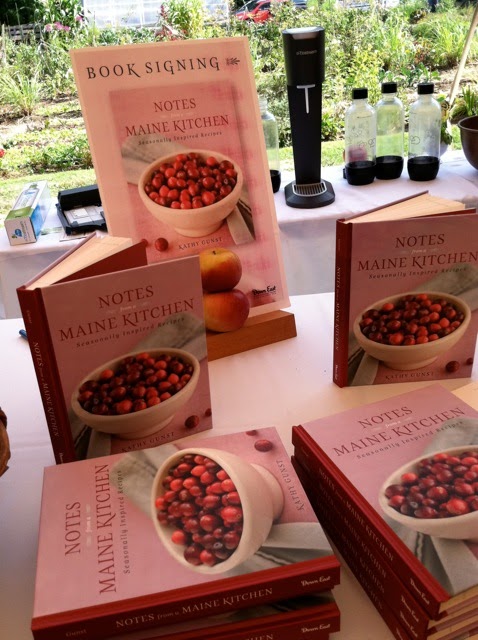
The delights of summer in Maine are obvious. But local author Kathy Gunst has a lock on what makes all seasons in our state delightfully delicious. Gunst is a writer, food aficionado, and TV and radio personality who writes Notes from a Maine Kitchen, a blog that does double duty as a resource for a wealth of recipes inspired by living in Maine year round. Her recently published book of the same name, Notes from a Maine Kitchen (Down East Books, 2011), takes on the seasonal bounties of Maine, from January right through to December. The focus is on regionally-inspired food made from locally-sourced ingredients. While March ushers in Maple Cheesecake with Maple-Ginger Crust, July is the perfect month for Grilled Swordfish with Olive-Lemon Scallion Topping. What a year!
Is eating seasonally in a region where summer is central even possible? You bet, says Gunst. “I try to follow the seasons all year, even here in cold Maine. With winter farmer’s markets and a large vegetable garden it’s become easier than ever,” she told Wild About Health. “There is no better eating than following the seasons and eating locally.” She says she even tends to naturally eat less fat when she eats seasonally. “Food picked in season is bursting with flavor. I’m never craving ‘something more,’” she says.
More than just recipes, Gunst characterizes Notes from a Maine Kitchen as a literary cookbook. It includes a selection of essays, notably one about a smelt fishing expedition on the Cathance River with Portland Chef Sam Hayward (yes, the Cornmeal-Coated Maine Smelts recipe is included). She also addresses the rise of the winter farmer’s market and offers up already-assembled menus for any occasion, including a Hot Summer Night (cooled by soda with Wild Maine Blueberry Syrup) and an Autumn Apple Brunch (featuring Grilled Gruyere with Maple-Caramelized Apples – you can find the recipe on her recent blog post).
Author Kathy Gunst
Gunst’s food philosophy is one based on simple food that results in fresh, wonderful flavor – garden-picked greens, organically-raised chicken, local lobster, fresh-picked berry cobbler – simple dishes that let the ingredients shine. Chapters of the calendrical book focus on quintessential foodie activities in Maine, such as foraging for wild mushrooms, canning, planting, and uncovering treasures from farmers markets. Her Wild Maine Blueberry Syrup recipe, which she was kind enough to share below, is a perfect example of her food philosophy. Great for sweetening many dishes, it’s ideal for capturing the season’s wild blue essence for use any time that a entrée, drink, or dessert needs a colorful, tasty zing.
This crisp season you’ll find Gunst all around Maine and beyond sharing her recipes and signing her book. She’ll be teaching recipes at the The Institute of Culinary Education (ICE) in New York City on Saturday, October 15, and doing demos at Harvest on the Harbor which takes place in Portland, Maine, on Saturday, October 22. You can find details and other local dates on her blog.
Wild Maine Blueberry Syrup
From Kathy Gunst’s Notes from a Maine Kitchen (Down East Books, 2011)
“What I like most about this syrup is that you can control the amount of sugar you use to create a natural blueberry soda or spritzer. A tablespoon or two is fabulous added to fruit salads, pie fillings, or mixed drinks (try mixing with vodka or rum and fresh mint leaves). The syrup will keep in the refrigerator in a tightly sealed jar for about a week or two, or it can be frozen (place in empty ice cube trays or plastic bags or small plastic containers) for several months.
You can also use blueberries, blackberries, or strawberries, as well, or a combination of all four.”
Shine Up a Cortland, Grab a Macoun…This Favorite Fruit Has a Lot to Offer
Kiwi, guava, cactus pears, acai…the longsuffering apple can get lost in the cornucopia of today’s stylish fruit choices. It’s easy to pick up a bag during apple-picking season, cook up a crisp, and forget this favorite until next year. But the list of reasons to keep apples on your year-round list is long. The apple has a reputation for warding off the doctor for a reason. Besides being universally liked, it is easy to eat and transport, it is readily available, and its nutritional benefit is rock solid.
Mom’s the Word
The apple’s iconic history is unparalleled in our culture, with its penchant for pie, and its ability to conjure wholesome visions of an apron-clad Mom. It’s nutritional history is similarly deep: famed SuperfoodRx author Dr. Steven Pratt, who helped bring the advantages of antioxidant-rich wild blueberries to the public, also gave the superfood nod to apples for their disease-preventing, anti-aging nutrients. They can’t be ignored for those interested in fighting cancer, heart disease, and Type II diabetes.
So, is the everyday apple prescription tired advice? Not a chance. Here’s why:
They are satisfyingly high in fiber (whenever possible, eat the skin).
They are fat free, sodium free & cholesterol free.
Tastes Worth Telling, William
Red Delicious, Northern Spy…the variety of apples adds to the fruit’s allure. Whether you cherish sweetness or crispness, you’ve probably got your favorite. There are hundreds of apple varieties, and Maine provides an excellent region for sampling many of them. Visit a local orchard and start grazing to identify your favorite. The Maine Pomological Society (that’s right – pomology is the study of pome fruit, and apples are the most commonly known pome) provides a run-down of local varieties you’re likely to encounter.
The time is now for enjoying the essence of apples, and if you live here in Maine, it’s practically an apple fair a day. Check the Portland Press Herald for a listing of apple festivals galore, including this weekend’s Apple Pumpkin Festival in Livermore Falls, and Downeast Heirloom Apple Week at the College of the Atlantic in Bar Harbor taking place in October.
Cider: Apples to Apples
It’s truly the essence of the apple. The enthusiasm for the array of apple cider blends for its connoisseurs is no less than that of oenophiles for their wine. Cider, the naturally sweet juice from apples, is particularly beloved in the Northeast. It serves as the impetus for many fairs, festivals and gatherings that focus on this drinkable treat. Cider is a unique seasonal pleasure that differs from apple juice because of its raw, unfiltered nature. (In cider, the pulp and sediment that is otherwise taken away in regular apple juice is preserved.) It may come as no surprise that cider contains all the health benefits of apples. For those who pasteurize, the process does little to affect its high nutrition.
Can you make your own? You bet. Pickyourown.com tempts those who want to try their hand at their own personal blend. The required equipment can be purchased without too much expenditure, and the result can be enjoyed, or canned for future use.
Slim Pickings
Take full advantage this fall when local apples are abundant in the Northeast – and keep them on your radar throughout the year for nutritional benefit in a figure-saving package. If you are looking for ways to bite the big apple, go au naturel for unadulterated advantage, or take your pick from these apple ideas when your diet allows for indulgence.
Ruth Reichle presents her favorite October recipes, and a stand-out on the list is Red Wine Caramel Apples. Gourmet magazine says this red wine reduction is “a simple yet sultry addition to the caramel that enrobes these apples.” Delightful to the core!
Chef Jérôme Ferrer is a Montreal chef with a flair for creative, delicious food and a talent for distinctive use of market fresh produce. As Grand Chef at the celebrated Restaurant Europea, a true hot spot of creative, modern cuisine located in a luxurious Victoria Mansion in the heart of the city, Ferrer and his staff of 22 chefs can be found fixing up dishes on the famed menu that provide some of the best edible evidence that food can be turned into art.
The Wild Blueberry Association was fortunate enough to procure Chef Ferrer for some exclusive creations using the beloved wild blueberry as his primary ingredient. The results speak for themselves – they are part of a winning selection of brand new recipes on www.wildblueberries.com.
Want a taste? Chef Ferrer’s distinctive Foie Gras Cutlets with Wild Blueberry Sauce features a generous helping of wild blueberries, along with puréed parsnips and seared foie gras cutlets. His inspired Lamb Bites with Celeriac Bulb & Wild Blueberry Sauce uses the unique flavor of celery root (he transforms it into “fries”, sautés and seasons it) along with the perfect accompaniment: he reduces wild blueberries with lamb stock and wine to create the sauce. Fantastique!
What’s this French chef’s wild blueberry connection? It’s based in part on wild blueberries being a popular indigenous Canadian crop. Lowbush blueberries are harvested only in Maine and Eastern Canada, meaning the versatile ingredient is right at home in Montreal. It’s also a match made in heaven for a chef who specializes in haute French cuisine. French cooking is known for its sweet indulgences – think crème brûlée, parfaits, sorbets, petit fours and marcarons – and the sweet, complex flavor of wild blueberries fits the bill. Ferrer is an expert on the subject – he is the author of Les Secret des Desserts, which reveals his insider info on creating delectable French-themed desserts. One of those strictly-on-the-QT tips? Create your confection using fresh produce and the best local products.
The creative use of wild blueberries is a particularly perfect fit for the Wild Blueberry kitchen due to Chef Ferrer’s dedication to a “from the market” menu at Europea. His efforts to serve food retrieved daily from fresh local providers is clear from his menu. He provides his signature je ne sais quoi to Quebec-raised veal, Appalachian Coast venison, and dishes such as Lobster Cappuccino Truffles, and North Coast Scallop Crèpes.
The Wild Blueberry Association consistently works with renowned chefs in order to develop original recipes that combine the creative ideas with the unparalleled taste and nutrition of wild blueberries. You can enjoy more of the European influence in Wild Blueberries à la Crème Brûlée, a blue take on a traditional French classic, and in Warm Wild Blueberry Petit Fours, a breakfast-inspired interpretation of a fave French treat from the Executive Chef of Kennebunkport’s White Barn Inn, Jonathan Cartwright. In light of all the palate-delighting options, only two words come to mind: Bon appétit!
Celebrate By Targeting These 5 Market Fresh Foods by NatalieMaynorIt’s not unusual to get a hankering for a bag of farm fresh potatoes (bursting with a variety of phytonutrients). Around the time when the urge hits, wouldn’t it be great to watch them instantly turn into a Garden Vegetable or Zesty Corn and Potato Salad? You can! Maine Foodie Finds digs deep into Maine’s farmers markets and comes up with gorgeous red potatoes and glowing yellow string beans, all fresh from the ground and vine, then uses a little culinary magic to turn these summer nuggets into foodie gold.
It’s easy to get inspired with seasonal ingredients when there is so much pleasure in the hunt. Take a lesson, and hit your own kitchen with your take. It’s the perfect activity for National Farmers Market Week. In July, Secretary of Agriculture Tom Vilsack proclaimed August 7th to the 13th, 2011 as National Farmers Market Week – again. It marks the twelfth year markets have been given the national nod.
According to the USDA, the number of farmers markets have multiplied continuously since in 1994, increasing by 16% just last year – these beloved gathering places for fruits and veggies (and other things, like meats, breads, and cheeses, of course) currently number 6,132 nationwide. Year-round markets have increased as well. It means better access to local, fresh food for more people more often. That’s something to celebrate.
In honor of National Farmers Market Week, the Portland Farmers Market in Portland Maine is challenging everyone to prepare at least three meals this week using ingredients entirely purchased at the Market. The food gauntlet is down!
5 Fresh Fruit & Veggie Finds for August
What’s healthy and delicious in August for your (at least) three market-sourced meals? Here are five fruits and vegetables that are likely to populate your local shopping hot spots this month. Get them while you can, and make the most of this seriously servings-rich season.
Wild Blueberries
The verdict is in! It’s harvest time for the tens of thousands of acres in Maine and Canada currently being stripped of their glorious blue color. If you aren’t already smothering your plate with antioxidant-rich disease-preventing wild blueberries, now is the time to start a healthy habit. Initiate yourself with a handful for your salad, sauté some up with a little red wine for a sauce or vinaigrette, use them to lend a spark to fish (try this Tuna Carpaccio with Wild Blueberry Wasabi Sauce), chicken or pork (Wild Blueberry Rhubarb Pork Chops anyone?), and finish with a charlotte or a crumble. The big, blue world is open to you!
Nothing tastes more like August than corn fresh from the garden. August is the month when those pencil-thin stalks start growing to edible size, and the golden gems of summer offer up their sweet taste straight off the stalk, if you like. Get your fill of the essential summer taste of corn by grilling it with a shake of cayenne or cilantro. Make some summer corn chowder, or use it in a colorful salad. While buttered and salted may be a family favorite, we’re up to our ears in ways to leverage this classic summer veggie. Here’s ten sweet recipes from The Kitchen.
Tomatoes
Whether you put their taste on display in a classic caprese salad, in an elegant tomato and lemon mascarpone tart or stuffed with fresh summer corn, tomatoes are the best ever in late summer. There’s simply no taste like a late summer tomato warm from the sill, and thanks to their lycopene, they provide superior health benefits to boot. Eat up, or save your take for a midwinter marinara by preserving them says, the Portland Press Herald.
Peppers
There’s a lot to love about peppers, and while bell peppers can be found year round, late summer they are at their shiny, tasty best. Peppers are a good source of vitamin C, thiamine, vitamin B6, beta carotene, and folic acid, and they contain large amounts of phytochemicals, providing exceptional antioxidant activity. Not to mention, they are a perfect ingredient: they provide sweetness, crunch, and bright color to hundreds of recipes. If you love a stuffed pepper (go meat!) now’s the time. But don’t limit yourself to stuffing. Make it simple, with a sweet and sour bell pepper salad, or try Gourmet Magazine’s logic-defying Chilled Red Bell Pepper and Habanero Soup, a sensational cold soup that’s also hot.
Summer Squash
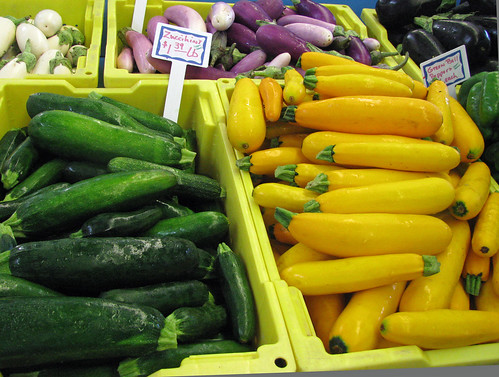
Summer squash peaks at summer’s end and these long, green vegetables are plentiful for good reason. While they may not be known as one of the antioxidants powerhouses, summer squash is a very strong source of key antioxidant nutrients, including the carotenoids, lutein and zeaxanthin, which could play a role in preventing memory loss, vision loss and heart disease. The skin of summer squash is particularly antioxidant-rich, so leave it intact when you can. (You can read up about the health benefits of summer squash at Livestrong.com.) This versatile veggie can be your go-to summer food during all of August and beyond. It is perfect for stuffing, grilling, tossing with feta and tomatoes, or even putting it in a cupcake.
How are you preparing your (at least) three meals this week using ingredients entirely purchased at the farmers markets?Tell us!
Doing all you need to do to eat healthy and maintain your weight? Calories are sneaky, and efforts to maintain a healthy weight can defy the best intentions. Consider our recent post about Chinese adolescents who report eating plenty of veggies but consistently outweigh their non-serving-eating counterparts. Even if you are getting your servings, you might be sabotaging your health, and for some, summer (particularly vacations) can kill a year of good health habits.
Giving up on getting your servings is not the solution. Take heart, eat fruits and vegetables heartily, and keep your eye on sneaky diet dangers. Here are five pieces of advice for a summer plate, or a plate in any season that will help you keep the good without letting in the dastardly bad.
5 Ways You May Be Sabotaging Your Servings
The Sneaky Smoothie
The jury is in – we all seem to love a smoothie. They are a tall frothy way to get nutritious fresh fruit into your diet and feel good about breakfast or a mid-day meal. Smoothies are superior when it comes to disease-fighting antioxidants because of their penchant for containing nutritious fruits, and summers seems especially positioned to welcome smoothies – the air is hot and fruit is everywhere.
While smoothie recipes can incorporate the best of healthy eating, many can be high in sugar and juice – and, while technically not a smoothie, some even contain ice cream. Also, smoothies go down easily and quickly, so if your smoothie serving is really two or three (an easy mistake when dealing with tasty liquid), that’s an extra meal that’s consumed in flash.
If you’re a smoothie enthusiast, make your blends with your own hand. Use whole ingredients, and opt for low fat yogurt, or skip the dairy completely – rely on bananas for bulk, or use soy milk as in this deep blue take on the shake. Combine fruits (and veggies, too – check out Livestrong.com for there take on the green smoothie) to maximize your taste, not additives, and you’ll eliminate the deviousness of your favorite fruit delivery system.
If your veggie intake consistently comes fried, you might end up with the weight issue that plagues so many Chinese adolescents. We can think we’re eating healthy and still be offsetting our efforts by adding oil, stir frying, eating tempura, or deep frying the otherwise health-friendly and potassium-rich potato.
Those who market to consumers find myriad ways to take perfectly good food and take the good right out of it, and the french fry trap is one huge way. Eat your veggies – including the potato – but avoid cancelling out their benefits by dropping the fried from of your diet.
Taking the best eating techniques from other cultures – even China – when it comes to meals can do wonders for your health. When in doubt, cleave to the Mediterranean diet. The Mediterranean plate, familiar to those living in food Meccas like Greece, Italy and France, relies on monounsaturated fats like avocado, fish, and canola oils, very little red meat, minimally processed foods, and plants, plants, plants.
Skinny Chef Allison Fishman says one of her personal dietary rules is not drinking her calories. “I’m not into a big glass of juice. I don’t have orange juice around by I always have clementines and oranges,” says Fishman. “I want to have the whole fruit or the whole berry – I want to have the skin and I want to have the fiber.”
It’s easy, during the summer especially, to drink calories and still think you’re eating healthy and maintaining your weight. Drinking your calories happens by overusing energy drinks that are often targeted to those engaged in summer activities, being a juice devotee, whether it’s cranberry, apple, or cranberry-apple, or indulging in alcoholic drinks – those fancy summer concoctions that are health-crushingly caloric.
Alternatives? You bet. Get the whole berry by eating fresh or frozen year-round instead of juice, opt for water or seltzer over energy drinks and sodas, and choose your alcoholic drinks wisely – for example, try this antioxidant-rich take on the mojito, a Wild Blueberry Baselito – while it still counts as a cocktail, it takes most of its volume from health giants wild blues.
One-Trick Pony Plates
Can your co-workers accurately predict what you’ll be pulling out of your lunch bag on any given day? Is your diet a series of same-olds? Is your idea of eating your vegetables limited to simply grazing on greens? You may need to boost your intake rather than cut it. The best way to be sure you aren’t missing necessary nutrients is to eat widely and generously from the food rainbow. The naturally-occurring food color spectrum provides an excellent basis for taking in a wide variety of needed nutrients.
Why? Plants are colorful because of pigments, which fall into two categories: carotenoids and anthocyanins. Carotenoids are at the yellow-orange-red end of the spectrum. They are found in foods like carrots and tomatoes and are also in leafy greens (they’re just covered by the green of chlorophyll). Anthocyanins are at the red-blue end of the color spectrum. There are over 300 types of anthocyanins, and they are found in a lot of the foods we eat, but they are on brightest display in berries and deep blue and purple colored fruits and vegetables.
Embracing color doesn’t mean you have to go exotic. According to this article in the New York Times, if you are missing even very common foods like pumpkin, cabbage, plums or frozen blueberries, you are missing important nutrition.
May I Lift Your Fruit, Miss?
Sure, you’re piling on the servings: your frozen wild blueberries are thawing in the fridge for breakfast and your sliced veggie sticks are at the ready. Great – just make sure you are policing what is underneath those nutritious servings. Are your berries topping a cup of granola? Granola is a huge calorie drain in the guise of healthy food. Eating strawberries on a waffle every morning and topping it with cream or syrup? You may want to change up your routine and make the fruit the main event instead – for instance, a sprinkle of granola or dash of almonds could be just enough to provide the palatable contrast you are looking for.
While you’re watching the bottom, check you’re top, too. If those sliced veggies are starting to swim in something suspiciously creamy, you may be heading for disaster. Remember, fat helps you absorb nutrients, so don’t dump the dressing, make a vinaigrette instead using heart-healthy olive oil. Is cheese sauce a requirement for your broccoli florets? Let your fresh or frozen veggies shine in their own right for a change – consider a spritz of lemon your condiment of choice instead.
Don’t drench your fruits and veggies – delight in them! Consult our comprehensive database of Wild Blueberries Recipes for ways to integrate a tasty, antioxidant-rich serving for breakfast, lunch dinner, dessert – even snacks and drinks!
The fruit race is on! Fresh fruit is showing its color everywhere now that summer is at its apex. It makes a health-conscious eater wonder: How much fresh fruit can we actually eat?
We know frozen fruits and vegetables offer the same taste and nutrition all year round. But eating fresh when it’s available has its benefits, too. It can mean helping out local farmers and even sampling something new. It can also provide some nostalgia by reminding us of childhood fruit picking trips. Eating the fruits of the season, whether harvested locally or from away, whether purchased directly from the farmer or through a middle-man, is just part of getting the most out of healthy and delicious summer eating.
The colors range from blue to yellow, the tastes stretch from tangy to mellow: cherries with pineapple, watermelon with peaches, strawberries and rhubarb, blueberries with raspberries…what to do with it all?
Well, we love shortcake as much anyone. But these 10 unique ways to get fruit into your life promise some under-the-radar ideas that are simply way out of this world. They’ll kick start your “servings quotient” and ensure that you’re hitting the pavement as part of the fresh fruit race.
10 Way-Out Ways to Serve the Season’s Fresh Fruit
1. Granita
If you have a hard time transitioning from regular life into full-on summer, granita is your remedy. This more worldly sorbet has summer written all over it. As a recipe run-down from the Chicago Tribune said last week, it’s the grown-up equivalent of the snow cone. To make this Spanish treat, an ice-cream maker or food processor comes in handy. The result is not just delicious – it provides the perfect cool-down for when the sun is high.
Martha Stewart offers up a melon sparkler that hits the spot. But granitas don’t require the cocktail twist. This winning strawberry granita recipe from Epicurious is easy and lo-test, in the most delectable sense.
2. Fruit Pizza
Everyone loves it. And the crust that makes traditional pizza great sets the stage for this dessert pizza twist. Fruit pizzas are perfect when you are surrounded by a fruit extravaganza, since they can be highly personalized for taste and color. Usually cream combined with the fruits of your choice (go for kiwis for a splash of green, blueberries for a zing of blue) and a little creativity is all you need. Serve it on a cake stand and you’ll add a little ahem to your table.
This Grape and Pine Nut Dessert Focaccia requires regular pizza dough (they call for frozen), while some, like this Fruit Pizza recipe from Paula Deen uses cookie dough as its foundation.
3. Dessert Nachos
It may just be an excuse to pour chocolate on tortilla chips, but it’s still a killer snack idea. Food52.com uses blackberries, blueberries, strawberries and peaches to achieve fruit nirvana posing as bar food.
You can also take a lesson from the dessert nacho idea by simply “going naked”. Combine the fruit of you choice, top with a drizzle of honey and cream and a sprinkle of almonds, and let nature do the work of delighting your palate. Use a warm blueberry sauce to sprinkle over ice cream, for instance, or simply top fresh strawberries with Grand Marnier and you’ve achieved delish. Thanks to Real Simple for these effortless ideas that are so good.
4. Cubes, Cups & Cutouts
We admit it: making shapes out of fruit is irresistible for adults and kids both. Watermelon makes a likely suspect: use cookie cutters to serve watermelon shapes as side dishes or garnishes, suggests Watermelon.org, or freeze watermelon puree as cubes for a little flavor to a cocktail, kid beverage or a lemonade.
Making cubes and pops out of fresh fruit is a clear crowd-pleaser, and the traditional pop (think wooden sticks and Dixie cups) is a ubiquitous summer treat. So much so that New York Times’ Mark Bittman breaks down some intensely cool pop flavors this week (and just in time), including Strawberry Basil, Avocado Cilantro, Tomato Cucumber and Mojito.
There’s absolutely nothing better than this camp favorite, either assembled in the kitchen with a Bunsen burner or old-school, over your fire ring, chiminea, or, yes, your actual campsite fire. Just ask Tales of Fruit and Cake blogger how much fun they can be.
Really, when a warm, slightly brown marshmallow and a square of chocolate is involved, nothings is off limits, including, apples, cherries, pineapples, pears and all types of berry. This summer, think uber-s’mores: triple layers, fruit combos like strawberries (add sliced strawberries) blueberries (as a drizzle or to pile on) or raspberries (like this fabulous stack of sweet). For extra-special campouts, use high quality chocolate such as Sharffen Berger or Ghirardelli, and make your own homemade graham crackers like these from Girl Who Bakes.
8. Sangria
Sangria could be considered a punch masquerading as wine. It’s a classic Spanish drink that uses brandy, wine or even vodka, as this Watermelon Sangria Cocktail does. Sangria is a veritable reservoir of fruit opportunities and a drink that mixologists just love to embellish. (Our favorite embellishment: a hint of cognac.) Oranges, apples, peaches, and berries all work equally well.
Start with this classic sangria and go from there, or try Emeril’s experienced take on this ruby red drink, no additions necessary. There’s truly no end to easy ways to please with Sangria – take your pick from these 11 unique sangria recipes that claim to be sinfully easy.
9. Hot & Spicy
Adding the sweet of fruit to the heat of spicy creates an irresistible flavor profile. We see evidence of this most often with salsas and chutney, where mango and melon make a regular appearance.
A list of way-out fruit ideas is incomplete without reiterating the mouth-melting assets of grilled fruit. You may be an old fruit griller from way back, or you may think the grill should be reserved mostly for things that require buns and relish. (This Grilled Peach Sundaes might change your mind.) No matter your baggage, it’s the season to grill fruit.
But what to grill? The options are endless: tomatoes (that wannabe fruit) is perfect lightly charred and drizzled with olive oil, as is mango (brushed with oil and sprinkled with lime) or pineapple (in hearty rectangular chunks or ka-bobbed). Even Skinny Cook Allison Fishman is a fan of grilled pineapple with ice cream – who wouldn’t be? Here’s a comprehensive list of some other ideas (fruit and non) from last year’s New York Times for what to grill that isn’t burger shaped.
Got a favorite new way to eat the sweet this summer? Let us know at editor@wildblueberries.com, or send us a snap, and we’ll join you in celebrating your passion for the serving!
A recap of the 2011 Berry Health Benefits Symposium includes some interesting data about those small nutritional gems we know as berries. All varieties were under discussion this year at this California symposium, including strawberries, raspberries, blackberries, and blueberries, as participants piled on the evidence for the berry’s superfood status and the impact they have on health.
Berries seem destined to be in the spotlight. Research continues to uncover their powerful anti-aging properties and scientists continue to learn more about the important role they play in disease prevention, including skin cancer, colon cancer, brain health, and vision, even obesity. However, there is one point in this recap we take issue with:
“Unless you live in Maine, the fresh blueberries you eat are of the ‘high bush’ type. The ‘low bush’ or wild blueberries of the northeast (including Canada) are much smaller and have a very short season. They are mostly frozen and used in food processing.”
It’s true that the northeast shines when it comes to wild blueberries, and the point that wilds are only indeginous to the areas of Maine and Canada is well taken: it’s what makes this little blue berry so unique! However, this interesting fact requires some clarification. On behalf of frozen wild blueberry lovers across the nation, we felt compelled to make these two points to ripen the berry discussion:
#1. Actually, they may have a short season, but the wild blueberries harvested in Maine and parts of Canada supply the entire country and parts of the world. Maine, for example, produces about 38% of the world’s wild blueberries and 15% of all blueberries in North America. Between Maine and Canada, around 204 million pounds of blueberries are harvested per year!
It’s becoming more and more common to live outside of Maine and still enjoy the benefits of wild — thank goodness, since the best way to get the most powerful dose of antioxidant benefit is to make sure you are buying wild, or lowbush berries.
Wild are smaller and have a higher skin-to-pulp ratio, and the skin is where the advantages reside. So while you may have trouble procuring a just-picked pint of wild blueberries outside of Maine or Canada, frozen wilds are available widely. You’ll find them in New England, in the South, in the West, even in California! Find out where to buy frozen wild blueberries.
#2. The idea that frozen is used primarily in food processing is simply short-sighted.
First, frozen is the best thing that has happened to nutrition since the icebox became the refrigerator. Frozen produce of all varieties provide a nutritious solution for families looking to make healthy eating more convenient and affordable.
What’s more: chefs love frozen wild blueberries and use them widely. Among our many interviews with chefs and cooks using frozen wild blues, the consensus is clear: they hold a sweet, complex flavor after baking because they are not as acidic as some fruits. They maintain their flavor nicely compared to other berries as well, and they stay truer to their original form. While some berries are processed, they are overwhelmingly used in recipes where they are not: wild blueberries can handle being mixed much more easily than a number of other fruits, and they are often used when the appearance of the whole fruit is important.
Second, frozen is as nutritious as fresh, and individual quick freezing (IQF) means berries are frozen at the peak of freshness in a way that preserves the whole berry: no blocks of ice, no cylinders of puree. Just all the wonders of wild blues. Yes, frozen is perfect for smoothies, but they are also perfect for most any purpose where fresh is used.
So, if you are saving your frozen wild blueberries for processing only, your missing out. Frozen wilds are much more versatile! Here are some of the many ways to take full advantage of their taste, texture, and nutrition, no processing involved:
In any recipe that calls for blueberries. That includes salsas and sauces, pies and cakes, crisps, grunts, crumbles and crème brulee.
As a topping. Wild blues add a colorful crown to many foods, no processing required. In fact, they are perfect for times when the appearance of the whole fruit in all its individual glory is needed. That includes yogurts, cereal, pancakes, and many uniquely delicious and colorful entrées, including fish, pork, and chicken.
On their own. Thaw (and strain a little, if you like) your frozen wild blueberries overnight, defrost in the microwave, or simply leave them on the counter briefly, and consume them with a fork, by hand as a snack, or scoop them out as a side for a sandwich or salad, au naturel. Each individual berry is beautiful preserved. And that blue on your fingertips is the stamp of rich nutrition—any time of year.
Berries from Coast to Coast
Kudos to California’s Berry Benefits Symposium for getting the word out about the wonders of berries. In Maine, the Bar Harbor Group dedicates itself to continuing nutritional research as it relates to berries as well. Each year, researchers and scientists from around the country gather to share ongoing research and findings about nature’s true nutritional jewels. In past years, presentations taking place at this famed summit have included research involving disease prevention and anti-aging, cancer, heart disease, Alzheimer’s and macular degeneration. We’ll keep you posted about this year’s summit, taking place during the summer.
Did you know? Frozen wild blueberries can remain ready to eat in the freezer year round, and the individually quick frozen method means they can remain frozen for over two years without losing their flavor or nutritional value. Love your frozen? Tell us why!