Blueberries May Preserve Brain Health: How A New Study Affects You

Blueberries have been honored with the “brain food” label for some time — even before we understood exactly what was meant by the term. For nutritionists, researchers, doctors, and even the layperson, it was clear that blueberries, especially the small, nutrient-dense wild blueberry, had an effect on brain clarity, brain performance, memory, and motor skills.

Through the years, researchers were able to understand more about why that moniker was so appropriate. They isolated components like antioxidants, and they began to gather data on which antioxidants affected brain function and brain aging. They discovered advantages for the heart, for cancer prevention, for inflammation, and for digestive and vision issues as well.

Research into brain health and blueberries is becoming well documented and better understood. Now, exciting new research reported last week provides additional evidence that a simple addition to the diet may help cognitive function and prevent the onset of Alzheimer’s disease.

New Research on Cognitive Health

The long-term study, conducted on humans by Harvard Researchers, is part of the Nurse’s Health Study. This study gathered data from 121,700 female, registered nurses between the ages of 30 and 55. They provided data beginning in 1976, and since 1980, reported on their food consumption and were tested for their cognitive function. The result of the study showed that those who ate more servings of blueberries and strawberries preserved their brain function to a greater degree than those who ate less.

The amounts consumed by nurses who were part of the study were completely manageable, topping out at around a serving or more per day, and the study showed the more intake the better. Those who consumed the most berries were able to delay cognitive aging by up to two and a half years. It will be no surprise to those who follow nutrition that some familiar compounds in these berries were at work: anthocyanidins (an anthocyanin counterpart) and flavonoids, which have powerful antioxidant properties, were found to be particularly effective in areas of intellectual performance, memory, and brain performance related to aging.

Brain Power & Blue

According to the study, smaller amounts of blueberries compared with strawberries were shown to make the difference in inhibiting cognitive decline. The study suggests, as reported in Huff Post Healthy Living, that eating one or more servings of blueberries or two or more servings of strawberries each week made the difference. These strikingly manageable amounts may be because of the concentrated nutrition, dark antioxidant-rich skin, and high skin-to-pulp ratio that is present in blueberries, especially wild blueberries.

Researchers allow that the study is not definitive – studies into the brain-berry connection is just beginning.  For example, we have yet to understand exactly how these influential antioxidants work, and have not yet isolated the component that acts on the brain. We don’t yet know if these components act in conjunction with other components, or even with other foods. So what makes this study so important, and what does it mean to us as consumers right now?

Why This Study is Important to You

1) It will help change our behavior. According to press, the berry-brain study is the first large, epidemiologic study of the berry, something heartening to researchers and nutritionists alike. Studies devoted to nutritional health are simply less exciting and less funded than those that promise new, non-food breakthroughs. Too bad: the knowledge we obtain as a result can have major implications. This study provides crucial new information that substantiates a less-than-sexy but ultimately powerfully nutritious food. While there has been previous research into the benefits of eating blueberries, and in particular the benefits to the brain, this new research helps to add to the evidence and may actually begin to shift our behavior.

2) The amounts are easy to achieve. This latest study was on humans living a normal life. Unlike well-known studies of mice consuming highly concentrated unmanageable amounts of nutritional components, this study indicates that just a few servings per week is all it might take to create a major health difference. According to the lead study author, Dr. Elizabeth Devore, a “simple dietary modification” was used to tests cognitive health, and it’s one accessible to all of us.

3) Improvement is significant and measurable. Results of the study indicate that those who consumed the most antioxidant-rich berries showed the most significant reduction in cognitive decline, with the largest delay being two and a half years. This sort of outcome is not just helpful for the individual; it could also add up to major gains for society at large.

4) It has implications for Alzheimer’s disease. Berry consumption could be one way to combat one of the more dire health issues facing an aging population. Alzheimer’s Association experts say that cognitive decline develops over many years and early signs of decline could indicate future dementia or Alzheimer’s onset. By consuming berries, you may be doing much more than just improving brain fog or senior moments – you may be protecting yourself against a destructive age-related disease.

5) You can begin today. To begin brain health preservation, there is no doctor’s appointment and no prescription necessary. Simply getting a serving of wild blueberries today can mark the beginning of your efforts to maintain brain health as you age. Visit your grocery store, make a stop at the freezer case, and buy them frozen, so getting a serving every day is easy. It could be one of the best things you’ll do for your health and your head.

Begin Today. Find our where to buy wild blueberries wherever you are.

Food for Your Whole Life Returns to NYC in June

A major health symposium that we told you about back in 2010 is back by popular demand, and it’s continuing the important mission it started two years ago. It’s the Food for Your Whole Life Health Symposium, and it’s bringing some of the best minds in health and nutrition together to educate the public and professionals in the field about food and lifestyle choices that are essential for better health. This year, Food for Your Whole Life will convene at the Hilton in New York City on June 3rd and 4th, promising attendees the tools they need to “improve our nation’s health and be empowered knowing that nutritious food is tasty and delicious and an exciting and flavorful way to improve your health.”

The crowd-drawing presenters that wowed in 2010 return as well, including Dr. Mehmet Oz, host of “The Dr. Oz Show”, Dr. Michael F. Roizen, author of the best-selling YOU series, which he co-authored with Dr. Oz, and regular on-air personality Dr. David L. Katz. They will be joined by other internationally-recognized researchers, clinicians, educators and health experts who will present nutrition tips for achieving optimal health as well as their own new research and theories on nutrition. (If you are thinking of attending, you can get a taste of the 2010 event by browsing the live blog from 2010 courtesy of Don’t (White) Sugar Coat It.)

Understanding the Effect of Food on Health

Those in the healthcare field, including physicians, dieticians, nurses, and educators will attend the Food for Your Whole Life Health Symposium to share information that will support the clients and patients they see in their practice and learn about philosophies that are relevant for today’s attitudes about nutrition and health. This year’s event specifically focuses on the aged-based diet, including food-based dietary patterns for the general population and specific groups.

While the first half of the Symposium is targeted to health professionals, Sunday, June 3 events are open to the public. They will include presentations by Dr. Oz and Dr. Roizen, exhibits, cooking demos, exercise sessions and BMI testing. It’s a perfect opportunity for anyone, whether you serve others or just serve yourself and your family, to learn more about improving health through nutrition.

Read more or register for this Food for Your Whole Life event.

Live blogging the event? Let us know and we’ll keep our readers updated.

Defend Your Body! 
Get involved in good health by telling others how you “defend your body.” Join forces with Food for Your Whole Life by sharing your own personal principle that helps you achieve optimum health as part of the 100 Great Ways to Defend Your Body Challenge. Whether it’s a hot bath, eating fruit with every meal, or doing yoga, you could win a health club membership or a 5-pound bag of California Walnuts just for sharing your healthy tidbit!

Will Inflammation Testing Save Lives?

This Year’s TEDMED Takes On Important Health Questions

This month in Washington D.C., the greatest minds in health and medicine came together to address some of the biggest challenges facing our world. It was none other than the annual TEDMED conference that brought them to the Kennedy Center on April 10-13. If this gathering of visionaries sounds familiar, it’s because it was inspired by the original TED, the popular gathering of forward-thinkers in the world of technology, entertainment, and design. True to its legacy, this med-leaning evolution of TED broke new ground in the field of medical research and innovation.

At this year’s event, the world’s big thinkers shared cutting edge ideas that may affect all of us in the coming years. For three absorbing days, attendees tried on aging suits, saw artificial hearts, had discussions about the role of nutrition in cancer treatment, and saw presentations about everything from stress to sleep. But what’s most exciting about this gathering of minds is that some of the information presented at TEDMED may some day solve problems for the average person, and in many cases, save lives. One such idea is helping to identify the risk of heart disease, the leading killer in the U.S., by looking closely at inflammation.

Testing the Risk for Heart Disease

One unavoidable takeaway at TEDMED, according to some attendees, was the difficulties faced by the American medical system. But at the same time, innovations that can have a positive impact on the future of medicine were present in abundance. One example was the presentation by the Cleveland HeartLab (CHL) which addressed a major health challenge head-on by showing how they could track the risk of heart disease.

Cardiovascular disease continues to confound our population – often, those who are at risk know only when a major heart event takes them by surprise. In fact, approximately 50% of patients who have a heart attack or stroke have normal levels of cholesterol, according to CHL, and cholesterol levels have been one of the most reliable indicators for such events. However, CHL maintains that it is the degree of inflammation in one’s arteries that is the better predictor, which is why they took their inflammation testing, or “it” on the road at TEDMED. They offered inflammatory testing to any TEDMED delegate who wanted it, and many took advantage of the screening.

The participants who took part in this voluntary inflammation testing were educated about how  “it” can improve assessment of their cardiovascular health. “It” goes beyond traditional blood tests and provides an inflammation panel (the “it” test screened not only for C-reactive protein but for myeloperoxidase and lipid levels) that determines the degree that someone is at risk of a cardiovascular event, according to CHL. The results? Approximately 40% of the 335 TEDMED delegates had elevated cardiovascular disease risk with 10% having a risk for vascular thrombosis.

The Inflammation Problem 

Inflammation has repercussions that extend to many diseases, and heart disease is one. For many of us, the idea of inflammation brings to mind redness, swelling or infection as a result of injury to the skin or the surface of the body. But the lower grade, chronic inflammation that occurs inside the body is both dangerous and silent, and is linked to diseases of aging like cancer, Alzheimer’s, diabetes and arthritis.

According to WBA Nutrition Advisor and Spokesperson, Susan Davis, MS, RD, inflammation damages nerve cells in the brains of Alzheimer’s victims and contributes to the proliferation of abnormal cells and facilitates their transformation into cancer without showing any symptoms at all. “Protection from inflammation by compounds in the diet is very complex and not well understood,” said Davis. “Some of the mechanisms that have been identified include interfering with the development of inflammatory compounds at the genetic level.” Diet has shown exciting potential as well. Studies into blueberries for example, have shown that the compounds may have an effect on deterring inflammation in the body. They contain flavonoids such as anthocyanins, flavonols, and proanthocyanidins that have been shown to contribute to protective, anti-inflammatory effects.

Dietary Keys to Anti-Inflammation

Today, we know that the typical western diet, high in refined carbohydrates, fats, sugars and calories contributes to inflammation. But a diet higher in fruits, vegetables, whole grains and omega 3 fatty acids is anti-inflammatory, and vitamins, minerals, as well as plant compounds have both antioxidant as well as anti-inflammatory properties. Simple steps to create an “anti-inflammatory” diet can help make major gains in health and longevity. Here’s how:

Through Variety. Eat a wide variety of foods, and eat across the color spectrum. When you include deeply colored fruits and vegetables, you are getting the benefits of antioxidants that combat inflammation – they are present in the skins of blueberries, leafy greens, and other colorful foods.

By Eating Fresh and Fresh-Frozen. Eat plenty of real, fresh food or foods frozen at their peak. The key to avoiding processed foods is to turn to the produce aisle, or equally as nutritious, the freezer section of the grocery store where fruits and vegetables have all the advantages of those at the farmer’s market.

By Filling Your Plate with Fruits and Vegetables. Eat them with every meal, and get the recommended servings. They are your best defense against disease and the effects of aging.

Learn more by watching the video from Susan Davis about the Anti-Inflammation Diet.

What are the 20 Greatest Challenges Facing Health and Medicine Today? 

According to TEDMED, the mission of the Great Challenges Program is not to “solve” America’s most confounding health and wellness problems but to provide “a comprehensive view, incorporating thoughtful perspectives from every discipline and from all sectors of society.” They have identified the most pressing issues facing today’s medical community, and they include Causes of Sleep Deprivation, Preparing for Dementia, and Eliminating Medical Errors, just to name a few. Want to know what the others are? Find out at TEDMED Challenges.

Interested in testing for inflammation? Learn more about “it”.

Why Do We Avoid Eating Real Fruit? Top Reasons Revealed

Médecine douce… by alpha du centaure, on Flickr
Creative Commons Attribution 2.0 Generic License  by  alpha du centaure 

Getting the recommended daily servings of fruit has real advantages. It can reduce disease, control weight, and provide health benefits as we age. Buying and eating real fruit can also support communities and growers and make a positive contribution to a national health crisis.

Reports from the CDC concerning how many Americans get the recommended servings of fruit and vegetables consistently reveal that most of us fall short. Yet, most Americans say they like fruit, and research providing evidence of the importance of real food nutrition is at an all time high. Are we avoiding eating fruit servings? Or do we have good intentions, but for one reason or another we don’t achieve our goals?

The answer is likely a little of both. We’ve uncovered four reasons behind our inability to get enough good, real fruit into our diet, and some real ways to avoid these traps in our own diets.

1. Deceptive Fruit Snacks

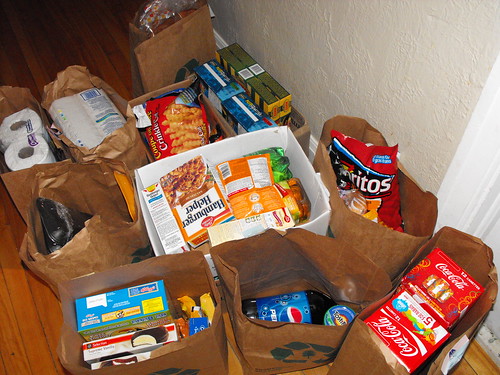
One of the biggest reasons we are missing our servings of real fruit is that we are eating foods that promise fruit servings instead. As a result, we feel like we are getting the benefit of them. The primary reason for this dietary misstep? The sheer proliferation of fruit snacks. There are hundreds of fruit snacks that look healthy and are marketed as providing fruit servings, but in fact, the first ingredient is often sugar, not fruit.

There is a growing market for packaged fruit –  it is a burgeoning sector that is taking advantage of our desire to eat nutritiously. What’s more, the pitch is working. Kids love fruit snacks, because they have billions of dollars in marketing telling them so, and snacks are ingeniously designed to wake up our taste buds and addict our brains. Moms like them too, because they appear to be guaranteeing a nutritious snack, and they assuage any guilt we may have about poor nutrition. It’s true that kids need to up their fruit intake, and fruit snacks are filling that need. But more often than not, all these foods are doing are blurring the line between fruit and candy in a way that renders it undetectable.

Packaged fruit snacks get a free pass, and they deter our ability to get real servings in the process. For example, if a snack has at least 2% in the U.S. or Canada, it can be legitimately labeled as being made with real fruit. Fruit snacks labeled as all-natural can include sky-high amounts of sugar, and none of the beneficial fiber that real fruits provide, which helps us feel full and satisfied. The more fruit snacks we include in our diet, the less room we have for real fruit, and less incentive to get them, because we think we already have. But real fruit provides benefits that fruit snacks, no matter how good their claims are, do not. Fruit has synergistic nutrients that work in conjunction with one another, and work in conjunction with other foods in a way that is advantageous to health and disease prevention. And this is something that has thus far eluded manufacturers of foods and supplements in their effort to replicate it.

2. Fake Fruit

One reason we aren’t eating our servings of fruit is that we are actually getting burned by fake fruit. Over the last year or so, much has been made about the existence of fake fruit, including, notably, fake blueberries, and the offending brands have been called out for using these fruit-like impostors.

Fake fruit can look like fruit and be marketed as such, but those blue globs can actually be cubes of partially hydrogenated oil and dextrose, not blueberries. It’s cheaper for companies to use trans fats as fruit, and it works, because we think we’re augmenting a less-than-healthy food with a spark of healthy fruit.

Fake-fruit foods can be pancake mixes, muffins, cereal, and granola bars, for starters. While front-of-label packaging on these foods may tout fruit, reading the label will reveal “made with imitation blueberries”. Avoid this fake fruit trap by throwing in a handful of frozen blueberries yourself if you are making pancakes, rather than relying on fat globs to provide the color. Do the same for cereal and muffins, or take the time to make your own healthy granola bars with real ingredients. Try these Blueberry and Maple Granola Bars from the Daily Green or our own Wild Blueberry Bars. Also, when you do buy packaged products, buy those that are reliable in their use of real ingredients, like these popular no-faux foods from Stonewall Kitchen, for example.

3. Convenience & Price 

Often, we give up a fruit serving because it’s easier to throw packaged food in our bag. A Pop-Tart®  or a Go-GURT®  won’t spoil, and you can carry it anywhere. It’s easier to pop a fruit snack into our lunch bag than to slice an apple and wrap it up. And, we tend to balk at the prices of fresh fruit on display at the grocery store. Its expense, not to mention the risk of it spoiling and the cost of that waste, doesn’t seem worth it.

But real health comes from real food, not from boxes. By limiting processed foods, it leaves more room for real. First, taking the extra time to buy and prepare fruits to have as snacks and to accompany meals is an essential habit to hone. Medicinenet.com suggests making fresh fruit bowl part of your décor, and making a point to dress up every plate with a fruit or veggie. But the best advice to combat inconvenience, especially when price is an issue, is to opt for frozen. Frozen is as nutritious as fresh and available year-round. It provides attractive price points, especially purchased in large amounts, and it doesn’t spoil, eliminating costly waste.

You can also learn how to stretch your fruit and veggie budget by downloading 30 ways in 30 days to Stretch Your Fruit & Vegetable Budget at Fruits and Veggies More Matters.

Got a convenient way to get your fruit servings? Tell us.

4. Our Brain  

Sometimes it’s the inscrutable grey matter in our skulls that’s the culprit when it comes to eschewing fruit servings. The desire for food that satisfies cravings goes way beyond just having a sweet tooth. That’s because the addictive quality of foods – especially foods that combine sugar, salt, and fat in optimum proportion – create pathways in our brains that simulate addiction and make us go back for more. It’s why we can eat an apple or a bowl or blueberries and feel satisfied, but comparable calories consumed from a snack cake only makes us want more.

This chemical reaction is no match for self-discipline. In fact, Dr. Oz considers sugar as addictive as drugs. Studies in rats show that stopping this food from entering the body can actually result in symptoms of withdrawal. Is there a solution to the strong pull of sugary foods that are edging out the fruits in our diets? There is.

– First, detox. Dr. Oz says a 28-day sugar rehab (right in your own home) will reset your body’s craving for foods and start you on a path to enjoying and being satisfied by real food again.

– Second, get healthy. Getting enough sleep, eating nutritious, protein-rich foods, and keeping your blood sugar stable by eating regularly (not starving or skipping) will improve your chance of succumbing to cravings.

– Then, choose. Don’t let Big Food dictate your behavior. It can be easier said than done, but understanding the hold food chemistry has on us is the first step to freeing ourselves from its grip.

– Finally, change: your kitchen, your shopping cart, and your kids’ lunch. After that, move into changing your kids’ lunch room, joining community efforts to support policy about food labeling and food growers, and taking a stand against the billions of dollars brilliantly spent on junk food marketing, especially to kids.


Get Your Real Fruit Servings 

Find out how many servings you need at Fruits and Veggies More Matters.

Dig In: Purple Potatoes Have Vibrant Health Benefits

Purple Potatoes by razvan.orendovici, on Flickr
Creative Commons Attribution 2.0 Generic License  by  razvan.orendovici 

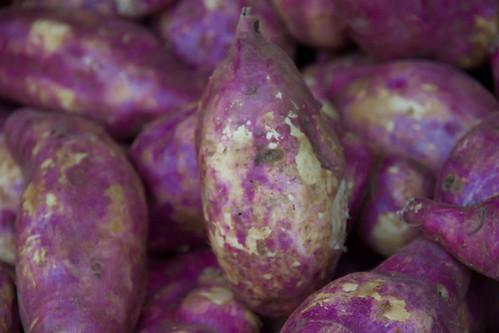
Ever wish your favorite comfort food had a bit more pizzazz? It may be high time to diversify from your average meat and potatoes dinner, and this brightly colored vegetable is just the thing. The skin of the purple potato provides a shock of color that can snap us out of our yellow- and red-skinned comas, and boost our health at the same time.

The flesh of these colorful nightshades, praised recently in Mark Bittman’s New York Times column On Growing (And Eating Potatoes), come in many blue and purple varieties, though the Purple Viking and Purple Majesty are two of the most popular for their intense color. They have deep violet, ink-colored skin, and the flesh inside ranges from solid blue to speckled. Perhaps best of all, they taste just like the good old potato that we like so much.

Unearth Healthy Color 

We know that blueberries are uniquely advantageous to health because of the pigment in the skin – that deep blue-purple color is a sign of antioxidant richness. Is the same true for a potato hued with blue? Absolutely. While blueberries, particularly wild blueberries, have the high skin-to-pulp ratio and deep color that makes them an antioxidant leader, the antioxidant anthocyanin, responsible for this color, is also behind the skin color of the purple potato. It’s found in other foods, too, like cabbage and eggplant.

While potatoes are challenged with a soiled reputation due to our over-love of the fried variety, potatoes are a vegetable that provides wonderful health benefits. They have moderate fat and calories, are full of vitamins C and B6, and provide a high dose of potassium, an essential nutrient we often get too little of.

Thanks to anthocyanins, the Purple Viking, a white-fleshed potato that Bittman describes as having “a purple skin with pink splashes, as pretty as it sounds” can be depended upon to deliver the anti-cancer, heart-healthy, anti-aging benefits that most deeply colored fruit and veggies do. In fact, they have been recently recognized for their potential to lower blood pressure. Bittman extols the virtues of this earthly purple gem for summer because, he says, they are a delightful food for the grill, and they shine in soups. They also cook and sauté quickly, maintain a perfectly crisp outside, and are full of flavor.

Purple potatoes are often available from local farmers and can be found in local grocery stores, but if you want to plant your very own and you live in Maine, you can obtain your seeds from the Maine Potato Lady in Guilford. Place your seed orders now to ship the last week of April, and you can be fixing up a blue-hued plate in a matter of months that your guests will really dig.

Color Your World! Try These Purple Potato Recipes

Why Adversity Leads to Success

A Unique Nutritional Concept Can Improve Health – Will We Listen? 

It’s been the principle of sticktoitveness since Henry Ford created his first car (and his first flop): the difficult road to success – in business, in the arts, in athletics – ends in gold. The bigger the hardship, the more intense the success. In other words, in most walks of life, what doesn’t kill you makes you stronger.

Can something that applies to football players and CEOs alike also apply to the world of nutrition? The latest research says yes, and it brings to light an exciting new concept in health and disease prevention.

The more we study the nutritional components of food, the more we understand why certain foods are good for us. Some antioxidant-rich foods can preserve healthy organ functioning, prevent disease of aging, and even reverse age-related illness – powerful stuff for something readily available. Part of the reason relies on the principle of adversity – that their challenges have made them stronger and healthier. If we seek out foods that have endured struggles to survive in a difficult environment, we’re taking in powerful nutrition that in turn makes US stronger.

Stressed to Be The Be the Best

Member of The Bar Harbor Group Don Ingram, Ph.D. of the Nutritional Neuroscience and Aging Laboratory and the Pennington Biomedical Research Center at Louisiana State University, recently provided a case in point in an interview on the podcast To Your Good Health with Dr. David Friedman. Dr. Ingram explained why the huge nutritional capacity of certain foods like wild blueberries is the result of their tough nature.

Components in foods like wild blueberries act to protect the fruit against stressful events, said Ingram. Because the berries are grown naturally in demanding geographical areas in Maine and parts of Canada, they endure cold, harsh winters, temperature shifts and intense sun (for which they have developed their own UV protection in their deeply colored skin). They grow in rugged terrain and challenging soil, and they grow close to the ground where they are susceptible to insects, fungi and other pests. Wild blueberries are the product of a dangerous world, and they have evolved to thrive in the face of the harshest stressors. That’s exactly what makes them incredibly beneficial to us.

Why Some Foods are “Lazy” 

Because wild blueberries have grown to withstand these environmental stressors, they have naturally evolved to have powerful defenses. When we put these foods in our bodies, we are getting the benefits of those defenses. According to Dr. Ingram, foods that are grown mainly as cultivated fruits such as the cultivated blueberry, or oranges, for instance, while still good for us, could be argued to be a bit “lazy” Dr. Ingram explains. These fruits have lost their protective abilities because through cultivation they have not needed to be tough – instead, we provide them with protection. As a result, truly powerful compounds, he surmises, have dropped from their nutritional profile.

Wild blueberries act on inflammation in the body, and inflammation is at the root of aging and many challenging diseases. Diets with blueberries, studies consistently show, calm destructive oxidative stress and reduce the inflammation in the cells of the brain, the heart, and other organs. That’s why in lab tests, wild blueberries are found to be advantageous for health in important ways such as fighting cancer, diabetes, heart disease, memory loss and Alzheimer’s, and other aging-related illnesses.

Food Adversity Principle = Improved Health for Us 

The equation is groundbreaking. But why don’t we treat this phenomenon as the breakthrough it is? While the benefits of consuming foods high in nutrition is generally accepted, we’ve grown used to the evidence – both anecdotal and scientific –  in support of healthy food. The advice can ring hollow because it seems so similar to a grandmother urging us to eat our vegetables and clear our plate. According to Dr. Ingram, food just doesn’t prompt the same level of excitement that cure-all medications and new scientific breakthroughs do. But it should.

The Whole Food Research Challenge

“This is a whole area of research that we need to be involved in,” Dr. Ingram told David Friedman of whole food research. “Funding agencies are remiss in funding this kind of research because it just doesn’t seem that sexy.” As a result, he said, we have yet to confirm many of the promising animal studies that would enable us to say definitively that wild blueberries, for example, can provide major benefits for the most pressing health hurdles for our culture.

The results of those studies could affect how we treat diseases related to oxidative stress as well as important areas such as insulin resistance, cognitive deficits, and overweight kids. Said Ingram, “Support for research that shows in a well-controlled trial that these types of foods like berries, particularly blueberries, can have these types of effects would go a long way to convincing the public that they should be eating these types of foods.”

Until we can figure out how to put the sexy into nutritional research, knowing that common Clark Kent foods can be the Supermen of health should be reason enough to make eating them every day a priority. Start applying the principle that what doesn’t kill you can make you stronger when it comes to the foods on your own plate. The street smarts inherent in your food has an excellent chance of translating into your good health.

Listen to the interview with Dr. Don Ingram on the To Your Good Health with Dr. David Friedman podcast.

Front-of-Package: Why Are Our Foods Covered in Chaos?

Imagine groceries with no front-of-package labeling. No health claims. No “Heart Healthy” badges, no “0g Trans Fat” banners, no “All Natural” swishes. No claims about fiber or sugar. How would the poor helpless consumer know what to buy?

If you insist you’d be just fine without the boisterous labels, don’t be so sure. In fact, consumers say they do use the information on food labels to help them make buying decisions, according to the International Food Information Council Foundation – at a rate of 68%.

In a recent blog post, New York Times writer Mark Bittman cites Marion Nestle’s call to fix a broken the food system. Topping Nestle’s list is fixing front-of-package labeling. Nestle wants first and foremost to put a halt to marketing food to kids. “Period. Just make it go away,” she said. She also urges a complete eradication of health claims unless they are backed up by universally accepted science – which, she says, would get rid of them all.

Sorting Out the Labels – With More Labels

Front-of-package labeling – claims that adorn food packages that are not limited to the back-of-package Nutritional Facts – include percentage claims (25% daily fiber!) functional claims (heart healthy!) and broad claims about healthiness (better for you!) and they are everywhere in the grocery store aisle. And despite a call by many public interest groups for fewer labels, those badges seem only to be growing. Some, at least on the surface, exist to help us make sense of the already mounting claims – more labels to make sense of the labels.

In a new video report, The Lempert Report breaks down some of this “sort it out” labeling. Some of these include:

  • Guiding Stars – Indicators of good, better and best (1-3) based on a nutritional algorithm. The program has been implemented in local Hannaford stores and has a complementary education component for grade schools. The badge is intended to help shoppers find an easy way to find healthy food.
  • Nuv-val – This label provides foods with a score of 1-100 based on over 30 nutritional factors. It was created with the intention simplify information about healthy food, and it can be found in many different grocery stores, many outside of the Northeast.
  • Great for You – This new badge from Wal-Mart is a pass-fail system based on whether a food meets the requirements of being healthy. We talked in depth about this label here.
  • Facts Up Front – Another label meant to cut through nutritional complexity, this effort puts facts like calories, fat and sodium amounts in bold on the front of packages where they can readily be seen. It comes from the Grocery Manufacturers Association, has government support, and will be growing in visibility this year.

The more labels there are to add to the madness, according the Lempert Report, the more it begs the question of which of the labels will survive in this quest to direct the consumer to the best foods. According to Nestle, there are few if any worth saving. Even labeling that attempts to do good are really just tools for selling, not for buying, she said. And concerns are deepest when they are most misleading.

Surprisingly Misleading Food Claims 

According to the Huffington Post, The 9 Most Misleading Labels include claims of real fruit, low sugar, and confusing serving sizes, among others. As part of the worst offenders, the article highlights two troubling label issues that might surprise you: fiber and caffeine.

  • Fiber: On a quest to get more fiber in your diet? Many people are, due to its benefits for heart disease, diabetes, digestion and weight maintenance. But even fiber claims may be misleading when they appear on things like yogurt and granola bars, for instance. While the fiber content may indeed by high in these products, it may come from isolated fibers that do not have the comparable effect of fiber from intact foods. There is a reason that eating beans, berries and bran is a better option for fiber than some processed foods with fiber claims – it’s just another argument for relying on real, whole foods for nutrition.
  • Caffeine: This labeling conundrum is misleading due to non-labeling. The problem is a potentially dangerous omission. You may know about it because it has recently been in the news. Because there are no requirements to disclose the amount of caffeine in products such as chocolate or energy drinks, it may not be obvious when we sip or chew that we are ingesting high amounts of something that can be dangerous and addictive. (Even a single serving of a coffee flavored yogurt contains 30mg of caffeine, and some energy drinks can contain up to 280mg!). High amounts of caffeine can lead to illness, anxiety, stomach problems and dependence.

Such labeling chaos has led to some organizations to push for reform. A 2010 report published by the Center for Science for Public Interest calls for making labels to be easier to read and for putting a stop to terms like “natural”, “0 trans fats”, and functional heart claims such as “heart healthy”. Other public interest groups have been vocal when it comes to more labeling which would inform consumers about foods that are genetically modified. Advocates for better labeling on beef, including claims it is “grass fed” are also at work on misleading claims. According to Onlygrassfed.com, this tricky claim means only that an animal has some access to grass, not that it is grass fed.

Until the chaos stops, every claim is backed by solid science, and every potential danger made apparent, it is, as always, caveat emptor at the grocery store. If you are weary of food label chaos, here are three uncomplicated ways to eliminate health claim fatigue.

Help for the Label-Weary 

Stick to the facts. Understanding the Nutrition Facts key on the back of food packaging (not the front) is essential. You can learn more from the Mayo Clinic’s interactive guide to the Nutrition Facts label. It shows which nutrients to limit and which to get more of. You can also take a look at our Nutritional Facts primer from a past post.

An ingredients list that’s easy to digest.

Avoid the claims. Foods that don’t have packaging, such as fresh fruits and vegetables, make their own case for health. Stick to the perimeter of the store to shop foods that are closest to their natural form and provide good health without the confusing claims.

Buy foods with fewer ingredients. This ingredient list for frozen wild blueberries shows exactly what you are getting: the whole fruit, and just the fruit, with its fiber, nutrients, and antioxidant content intact, the way nature intended.

Learn more About Labels

The FDA provides labeling information and the latest updates about label legislation at FDA.gov. You can also view an entertaining video created to help consumers get the facts about labels.

FAQ Blue

The 10 Most Popular Questions About Cooking with Frozen Wild Blueberries – Answered!

More than ever, wild blueberries are smothering breakfast, lunch and dinner plates, and they are doing it in a variety of unprecedented ways. Today, consumers are taking full advantage of this delicious, high-antioxidant fruit.

Why? The wild blueberry’s role in preserving brain health, preventing some types of cancers, and battling inflammation caused by free radicals is no longer the secret of researchers and scientists. Wild blueberries are the domain of everyone from nutritionists and chefs to home cooks and time-starved moms.

Wild blueberries share space at the very top of most any list of the healthiest foods – rivaling omega-3 rich fish and leafy greens – as nutrition’s most superb delivery system. It’s made the “at least one serving per day” rule of wild blueberries gospel in kitchens across the globe. Thousands of recipes showcase their versatility and their knack for making a simple plate soar with taste.

Whether you are new to cooking with frozen or you’ve known about this IQF ingredient for years, you’ll benefit from knowing the ins and outs of how to best use your blues. We’ve compiled the most popular questions about using frozen wild blueberries in your kitchen so you are getting the very best out of one of the natural world’s most superior foods. Here are our ten most frequently asked questions about cooking with blue, including how to make the perfect pancake and debunking the myth of blue batter.


1. Do frozen wild blueberries work in a recipe that calls for fresh?

Yes. Frozen wilds are ideal for recipes in just about every instance. Allison Fishman, author of You Can Trust a Skinny Cook, says using frozen is her ideal method for cooking, mostly because “it’s they best way to get the whole berry.” She also likes the cost savings of frozen, and uses frozen wild blueberries in all of her recipes that call for blueberries, with the rare exception of those used to garnish lemon tarts, where she opts for fresh. The IQF method makes making the case for frozen easy—they are a seamless substitution for recipes, jams, toppings, and for eating blueberries all by themselves.

2. Can I substitute wild for the larger cultivated berry? 

Absolutely. In fact, for reasons of nutritional impact and flavor, it’s always advisable to substitute cultivated blueberries with wild. Cultivated blueberries come fresh and frozen, so look for the moniker “wild” whenever you purchase – they are a product exclusively of Maine or Nova Scotia. Wild will provide you with more powerful nutrition, thanks to the higher skin-to-pulp ratio and the environmental “stressors” that allow wild blueberries to develop a protection that translates into powerful nutrients and more intense flavor than their cultivated cousins. It’s also important to keep in mind that wild blueberries, due to their wild nature, naturally contain a variety of berries, which accounts for the variations in size, color and taste.

3. Can I substitute blueberries for other fruits in recipes?

As in this recipe from Tastebook.com, blueberries are a straightforward substitute in most recipes. When fruit is the key ingredient, consider using a mixture of wild blueberries and another fruit. It can create a wonderful flavor combination. And, the wild flavor is one that many find preferable to other berries; they provide a delicious burst of flavor ranging from sweet to tangy, thanks to their natural variations. It’s a taste you just can’t duplicate it with other berry ingredients.

4. What’s the best way to cook with frozen wild blueberries? Should they be thawed? 

Frozen blueberries do not need to be thawed before you add them to cake or muffin batter, for instance. They can and should be left in their frozen state for most baking unless the recipe calls for them to be defrosted. Keeping them in their frozen state will preserve their texture and individuality and will keep the blueberries from bleeding into the recipe.

Fresh frozen blues usually come without additives or syrups, making them a seamless substitution. However, if you find your frozen blueberries give off a little more juice than fresh berries, it might be necessary to reduce the liquid and increase the thickener when you use them in desserts such as pies, tarts or cobblers.

5. Is frozen as good as fresh?

Yes. The IQF method freezes wild blueberries at their peak of taste and nutrition. Today, we’re lucky that this modern freezing technique means there is no compromising when it comes to nutrition (they can remain frozen for over two years without losing their flavor or nutritional value). It also means they are economical and accessible any season and any day of the week for spontaneous recipes and meal improvising.

6. How do I declump frozen berries?

In fact, the days of clumped fruit and vegetables are virtually over. With little exception, today’s frozen wild blueberries available in the frozen food aisle use the IQF method of freezing. That means they are “individually quick frozen” which preserves their individuality when they are frozen and when they are thawed.

7. What’s the best way to use frozen wild blueberries in pancakes?

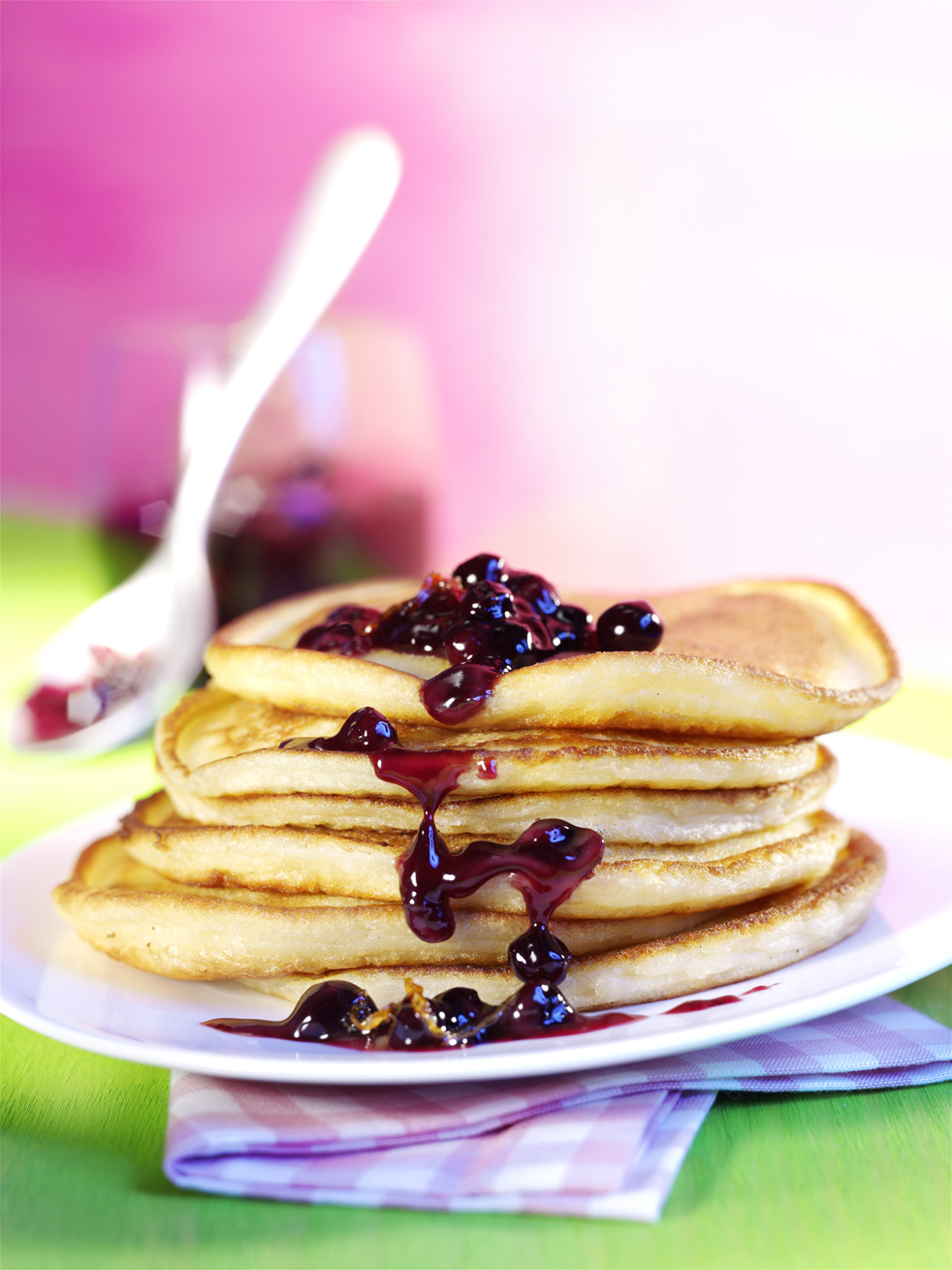
When using frozen wild blueberries in pancakes, eHow.com suggests adding them to each pancake as it cooks. The berries will sink into the batter and will be hot and juicy after the pancake is turned and cooking is completed. Avoid adding frozen berries directly to the batter – that goes for fresh or frozen – most chefs prefer their pancake additions to assemble in the middle of each cake. Sprinkle enough for each pancake on the batter-up side before flipping for the ideal pancake aesthetic.

8. How can I use wild blueberries for more than just dessert and breakfast?

It’s a great question, and one consumers are asking more and more as they discover that integrating blueberries into more recipes can enhance health benefits and give dishes a unique flavor profile.

There are plenty of resources for cooking with blueberries (that don’t have to do with pancakes or muffins) online and in cookbooks devoted solely to the fruit. Blueberries are a popular addition to many salads, for use in chutney, and in glazes and sauces that make delicious additions to pork and fish dishes. Wild blueberries also provide the basis of oodles of unique appetizers such as spicy tortillas or dishes like this Savory Blueberry Ricotta Pizza.

Tip: The sweet and tangy taste of wild blueberries provides an ideal contrast to dishes featuring duck or pork, as in this recipe for Pork Chops with Blueberry Ginger Relish from EatingWell.com. The burst of flavor makes protein dishes memorable—it’s why they are so popular with chefs.

9. How can I prevent my batter from turning blue when I use wild blues? 

“Personally, I think frozen blueberries are good for purées and smoothies and not much else.”

Statements like this are troubling—it means some of us are missing out on convenient, healthy additions to our cooking repertoire. It’s not necessary to be stuck in the smoothie rut because of the “swirl” factor – today’s IQF blueberries are much more versatile then many people realize. While it’s true that a blue swirl can interfere in some recipes where the batter must remain pristine, there’s no need to wait for August to buy fresh to bake with blue. Just follow these easy steps instead:

Freeze & Fold: First, wild blueberries create the blue color when they defrost or burst, so be sure to keep them fully frozen and unmangled. Then, make sure not to add your blues too early. Adding blueberries to a cake or muffin recipe should be done last. They should be folded in and baked immediately to prevent bleed. Tip: Toss your blueberries in a touch of flour to provide additional insurance against the blue swirl.

Mind the pH: According to the Blueberry Council, if your muffin, cake or pancake batter is too “basic”, that is, it has a high pH, it can lead to a batter’s colored haze. Blueberries turn reddish when exposed to acids, such as lemon juice and vinegar, and greenish-blue in a batter that has too much baking soda, which creates an alkaline environment. The rule of thumb for preserving the beauty of blues: adjust the acidity of your batter by replacing some of the liquid with buttermilk, sour cream, applesauce or citrus juice and reducing baking soda/powder.

Embrace the Swirl: As shown in this cheesecake recipe, which takes advantage of the blueberry’s ability to create an eddy of purple-blue color, it can sometimes be a boon to embrace the swirl. It can also work to your advantage in things like eggnog, yogurt servings, or any dessert with a monotonous white topping. Use berries sparingly on toppings to create the perfect blue twist. Take a look at how Sassandveracity.com makes use of color with these Not Quite Blue Cupcakes with Not Quite Red Ice Cream. Way to embrace the swirl!

10. How do I keep wild blueberries from “dropping”?

One reason blueberries sink is because the specific gravity may be too low, says the Blueberry Council. Increase specific gravity by using a thicker, denser batter. Dropping can also be the result of too much air in the batter: avoid over-blending during the first stage of creaming.

Bonus FAQ: Basic Measurements & Conversions for Wild Blueberries:

  • 1 pint of fresh blueberries weights about 3/4 of a pound or 2 cups
  • 1 10-ounce package of frozen blueberries = 1-1/2 cups
  • 1 quart = 1-1/2 pounds or 4 cups
  • Cultivated and wild are 1:1, but your count of wild will be higher due to their compact size. (That’s more skin per cup and more antioxidant power!)
  • Frozen and fresh are also 1:1; allow for a bit of moisture for frozen by pulling back on a liquid ingredient by a 10%.

Pickyourown.org offers these helpful recipe rules of thumb:

  • It takes about 4 cups of blueberries to make a blueberry pie. They make their point with this classic deep dish blueberry pie recipe.
  • A normal batch of blueberry preserves, jam or jelly requires 5 pints of berries. Here’s the recipe in 12 Simple Steps.
Jam Lovers Rejoice!

Q: Can you really use frozen for jams?
A: You can. Most frozen wild products are pure wild blueberries with no syrup, making it a seamless substitution. Find this and other tips for frozen substitutions at eHow.com.

What’s So Great About Good Health

The Brain-Nutrition Connection & the Real Payoff of Being Healthy

We log time on the treadmill. We scrutinize our plates for nutrition. We watch our portions and increase our fruit and vegetable servings.

Why do we do it?

We want to be healthy. But what is good health? And why can “healthy” sometimes seem like it has a PR problem?

Here’s the “problem” with healthy:

  • You can’t show it off like a purse or a haircut.
  • Unlike a weight loss effort or 5K race, it’s constant, dynamic, and never-ending.
  • You can’t plan a party to celebrate the results – health benefits often occur 10, 20, even 50 years down the line.

So what’s to like about health? Where’s the flash? Where’s the sizzle?

Why Healthy Sizzles 

First, health does have some immediate benefits to relish. While it may take decades to see some of the effects of disease prevention, health has advantages in the present as well. It may not be as noticeable as a Gucci purse, but good nutrition is something you can wear – you can see it on your face, in the brightness of your skin and the glow in your eyes, and in the clothes that fit you better. If you are healthy, you can achieve more because you feel better and stronger inside and out, and that’s pretty flashy.

But here’s the real sizzle: health contributes to living a better life. Superfood orginator Dr. Steve Pratt explains health and longevity this way:

“Brain heart, eyes—they all go together. Rarely do you see a brain that’s top notch and poor eyesight. It’s good for the eyes, it’s good for the brain and if it’s good for the brain it’s good for the heart.”

Being healthy means being healthy all over. We don’t want to age without it—getting older is not what it’s cracked up to be if we can’t see, we can’t move, and we can’t remember.

Your Brain IS Your Health

For today’s growing population of baby boomers, cognitive health and health is one and the same. Alzheimer’s disease and cognitive decline is a grave concern as our longevity potential grows. Without affordable genetic testing, most of us simply don’t know to what degree we are predisposed to diseases of the brain.

All we know is that having our health tomorrow means making efforts to prevent brain disease, among other diseases of aging, today. And if you think about it, the idea that prevention could be possible is as exciting as a purse, a 5K, or the biggest celebration. When you believe that, you’ve got your own definition of good health, and that’s the most important step toward achieving it.

Healthy Today & Tomorrow 

According to Susan Davis, MS, RD, nutrition advisor to the Wild Blueberry Association of North America, “New research is really bearing out the idea that a diet rich in wild blueberries may help prevent cognitive decline.” AARP The Magazine named wild blueberries to its list of the most powerful disease-fighting foods. The research into wild blueberries and their positive effect on the brain in mounting. Areas of recent study include their potential for improving memory loss, Alzheimer’s disease and other forms of cognitive impairment.

Notably, recent research shows wild blueberry supplemented diets could improve memory function and mood in older adults with early memory decline. The effect of a short-term blueberry-enriched diet on aged lab animals suggests that they may prevent and reverse a considerable degree of age-related object memory decline. And, in another study, researchers have found that the deeply colored berries enable “housekeeper” cells in the brain to remove biochemical debris, which is believed to contribute to the decline of mental functioning with age. It’s the natural pigments called anthocyanins that give the berries their deep-blue color as well as their antioxidant and anti-inflammatory power. They score twice as high in antioxidant capacity per serving as cultivated blueberries, making them the go-to berry for brain protection.

The bottom line is that something in a large blue bag in your freezer can be your definition of health. The intense benefit of wild blueberries is the best way we can think of to illustrate the potential of nutritional prevention. A small act of eating daily servings have the attention of nutritionists, scientists and consumers alike, especially those of retirement age and beyond. So put a little sizzle in your life (you’ll know it’s there). But do it today. And every day of your long, healthy life.

Read More: See the press release Wild Blueberries – Brain Food for Boomers? in MaineToday.


Can something delicious and readily available help protect you from cognitive decline? Babble attempts to answer with their post Blueberry Brain Boosters and enters their recipe for Fresh Blueberry Morning Bread, which is anything but medicinal, as evidence.

Celebrate Your Plate

March 8th is “What’s on MyPlate?” Day 

You know a small nutritional change – something as simple as eating an extra serving or two of fruits and vegetables every day – can add up to major shifts in health, weight, and disease prevention. If you’ve been working on those tweaks, additions, and replacements every day in an effort to move more and more toward a better food plate, then good for you. In fact, “What’s on MyPlate?” Day is just for you.

It’s All on Your Plate

Little changes are no small thing. Paying attention to the principles of a superior plate can be ground-breaking for us as individuals and as a culture. That’s why this Thursday, March 8, Wild About Health is joining its community members in celebrating “What’s on MyPlate?” day. The celebration is intended to hang a little crepe in recognition of our healthy eating behaviors and to help spread the word about our successes.

You know MyPlate as the new food pyramid  –  or plate – that helps consumers fill their plates with the right foods and focus on smaller portions. By using the colorful plate as a guideline for every meal, MyPlate gives us a visual cue that helps us modify our eating behaviors for the better.

Enjoy a Little More, Eat a Little Less

So what’s behind “What’s on MyPlate?” day? It is intended to put the focus on enjoying our food – but enjoying less of it. After all, we are tied to our plates for our sustenance and nutrition, so enjoying the food on them is essential. Enjoying our plate can include eating mindfully, or paying more attention to the foods we love, as well as to the hunger cues that tell us when we’re full. It can also mean keeping those special treats we love in our life, but thinking of them as special rather than regular indulgences.

As part of enjoying your food in a better way, you might be choosing to increase your intake of fruits like antioxidant-rich wild blueberries, for instance, or eating more leafy greens. You might be trading in your soda for water or another lower-calorie beverage. You might be keeping track of your eating by using tools like Supertracker, a food database and diet and exercise tracker to help keep you going down the right road. If you are making any of these small changes, or you aspire to, you’re ready to celebrate. (Reconcile your changes for the better with this nutritional tip sheet.)

How to Celebrate “What’s On MyPlate Day?”

If you haven’t climbed on the MyPlate bandwagon, now is the time to start. Proponents of the Dietary Guidelines for Americans suggest the following: First, on Thursday, start paying special attention to your food – consider “What’s on MyPlate?” during each meal that day.

Second, celebrate your shifts to a better plate by sharing them. Telling your story means you’re part of the swell of good nutritional karma. It reinforces your efforts to be healthy and encourages others to do the same. Here’s how to start sharing:

Blog about it. Got a platform? Tell your story, and share photos of your successes. Let your readers know how important it is to you to pay attention to your plate every day. Tell them how MyPlate guidelines have helped you construct your meals, and share your own tips and insights.

Tweet about it. Use the hash-tag #MyPlateYourPlate to tell your tweeps how you are enjoying food and eating less, and ask them just what’s up with their plate.

Share your plates. Put the MyPlate movement into action by taking photos of healthful plates worth sharing, and use the hash-tag #MyPlate to post them at USDA’s Flickr Photo Group.

Make a video. Get together with your community and show the world how important a great plate is. Communities on the Move Video Challenge invites organizations that work with children to create short videos that highlight their efforts to reverse the trend of childhood obesity.

Tell us. Share your stories with Wild About Health. We want to know how you’ve changed your plate in an effort to maintain your health, enjoy your food more, and eat less. We’ll share photos of your plates, and news of your successes and challenges to help further the discussion of good health, nutrition, and disease prevention.

Celebrate your plate March 8th—and celebrate YOU!