Feel & Look Younger This Year

Resolve to Step Up Your Anti-aging Efforts in 2013

If 2013 is your year to look better, feel younger, and be healthier, overhauling your diet might be in order. A healthy diet is the closest thing we have to a ticket to longevity – not to mention a better life right now. We simply are what we eat, and today’s scientific research supports that our diet holds sway over our ability to prevent age-related issues, including illness, disease, and overall wellness.

Is health and longevity on your plate this year? It should be. Now is the perfect time to reset the clock on your health. Resolve to make your diet work for you, not against you, in the coming year.

Is Your Diet Aging You?

It could be. The health of your brain, the vitality of your skin, and your chances of experiencing chronic illness are directly influenced by what you put on your plate. When your intake of sugars, fats, and processed foods begins to overtake your intake fruits and vegetables, it means your diet has deteriorated. As a result, you may be putting yourself at risk for what you most want to avoid as you age.

Your Diet Affects Your Brain

Without a healthy brain, let’s face it, the rest just doesn’t matter. But having a diet of prevention now can help keep your brain healthy and nimble later. Eating for brain health is part of a fundamental strategy to help reverse the aging process. Here’s why: a diet rich in anthocyanin-rich foods has been shown to reverse memory loss and slow cognitive decline. In fact, new research into cognitive health such as the Nurse’s Study shows that eating anthocyanin-rich foods can affect intellectual performance, memory, and brain performance related to aging. And, dietary antioxidants have been shown to protect against inflammation, and inflammation is thought to be a leading factor in brain aging and Alzheimer’s disease.

Your Diet Affects Your Skin

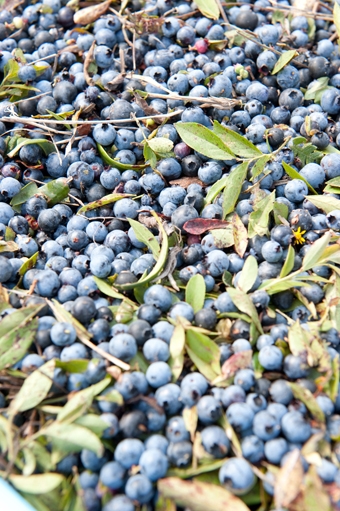
What we show the world on the outside reflects our inside – that couldn’t be truer when it comes to our skin. Our cells are engaged in a battle against free radicals everyday. Oxidative stress is associated with cancer, heart disease and other diseases of aging. It’s also evident on our outermost layers of cells – free radical damage is the reason the sun and our environment leads to wrinkles and a dull complexion. High antioxidant foods help us in the fight against free radicals and act as anti-aging agents. Dietary antioxidants such as anthocyanins, flavonoids found in the skin pigments of some foods like the deeply-colored wild blueberry, have the ability to neutralize free radicals and help prevent cell damage, and that includes our aging epidermis, an external hallmark of our maturity.

Your Diet Affects Your Risk of Chronic Illness

Can we avoid the chronic illness that plagues us as we age? Some nutrition experts believe we can, and scientists continue to make efforts to isolate the compounds that act on our bodies to prevent aging and disease. What we already know, however, is that natural compounds found in fruits and vegetables can help us prevent chronic illness and promote healthy aging. Aging is often characterized by diseases that are the result of low grade chronic inflammation that occurs inside the body and causes heart disease, cancer, diabetes, and even arthritis. Eating antioxidant-rich foods daily has been shown to minimize oxidative strain inside the body, which is connected to chronic illnesses and aging.


Resolve to Age Better in 2013

Here are three simple steps you can take to make 2013 your best year yet in health and anti-aging efforts.

1. Get Your 5 Cups 

Reaching (or even closing in on) your recommended amounts of fruits and vegetables will get you closer to your goal of healthy aging. This year, resolve to start eating a diet that combats age-related health risks by eating at a variety of colorful fruits and veggies and filling half your plate with them at every meal. According to the USDA dietary guidelines, that’s 2 cups of fruit and 3 cups of vegetables, on average, for a total of 5 cups every day. By getting your recommended cups per day, you’ll also get the added benefit of edging out less-than-healthy foods that are aging you too quickly. (That’s two resolutions for the price on one!)

2. Load Up on Berries

Look to berries if you are aiming to make the most of your anti-aging efforts. Why berries? Berries are notorious for their powerful antioxidant benefits thanks to phytonutrients, which aid the process of neutralizing free radicals and are found in high concentrations in berries’ colorful skin. Berries have also been shown to have “synergy” with other foods and to help ameliorate the adverse effects of a meal that occurs with absorption. Wild blueberries in particular top the list of high-phyto berries. (They are also high in fiber and contribute to glycemic control.) If slowing the aging process is your resolution, “bathe your meal in berries” says superfood guru Steven Pratt – whether it’s breakfast, salads, entrees or desserts – you’ll be arming yourself against inflammation and the diseases of aging.

3. Be Antioxidant Savvy

In the quest to age well, make sure you know what foods provide the most powerful source of antioxidants. Deep pigments and colorful skin is often nature’s tip-off that a food has beneficial compounds. By knowing the amount of antioxidants in certain foods, you can get the biggest antioxidant bang from your dietary buck.

You can determine the antioxidant capacity of different fruits and vegetables by knowing their ORAC score. Find a list on the United States Department of Agriculture or by checking OracValues.com, and use your knowledge to start buying foods that promote disease prevention. Shop the produce section or the freezer section for fruits and vegetables – that’s where you’ll find the healthiest foods. And those are the ones you’ll want on your plate every day. Then, even while the calendar keeps moving forward, you’ll know you’re making efforts to turn back the clock.

Healthy Aging Research 

Scientists around the world are studying the ways in which natural compounds found in the foods we eat can help combat disease and promote health aging. For an in-depth look at hundreds of health-related blueberry studies, visit the Wild Blueberry Association Research Library™.

LATEST NEWS: Victory for the Frozen Message

Dr. Oz & TIME Magazine Help Bring Frozen to the Public 

The American food supply is abundant, nutritionally sound and affordable – and it can be found in your supermarket.

An article written by Dr. Mehmet Oz, well-known surgeon, author and personality, in a TIME cover story called “What to Eat Now,” might include the most important message today’s families can hear when it comes to their diet. Though the idea is not exactly new, talking about it in a new way has been tectonic, and it may change, once and for all, the way we think about nutrition.

It’s a message consumers and their families are prepared for. Dr. Oz’s clear statements about frozen and canned food speak to nagging myths we’ve lived with too long. For example, is frozen food as nutritious as fresh? Today, technology allows us the taste and nutritional advantages of fruit and vegetables harvested and preserved at their peak. (In his article, Dr. Oz explains the shift in freezing that began with Charles Birdseye.) Nutrition, in fact, comes in many forms, and one is certainly frozen. Eating frozen and canned foods is an important part of how most of us can eat healthily now.

Eating for Our Time 

Today, the message to consumers that affordability, convenience, and ease is not just OK, but it can also be nutritionally sound is one embraced by families tasked with providing meals nutritious enough to stave off the increasing threat of obesity and disease. Healthy food should be, and is, achievable for all of us by shopping right at the supermarket where we can take advantage of frozen and canned food as well as fresh or when fresh is not available. Families facing squeezed food budgets and precious little time for food preparation can turn to frozen and feel good about their nutritional choices.

Dr. Oz makes his case, he says, after years of research and experience. “The American food supply is abundant, nutritionally sound, affordable,” he said of what he calls the 99% diet. (You can hear Dr. Oz talk more about this on CNN.) It’s time for all of us to throw our hats skyward to join him in celebrating frozen and the opportunity for good health for everyone.

Wild: The Best of Frozen

According to Dr. Oz, canned salmon and frozen peas are a part of eating well on a budget without sacrificing nutrition – and with no concerns about waste, a major food budget killer. Dr. Oz is also a notorious proponent of wild blueberries), and wild blueberries offer a perfect case in point: while they are harvested in Maine and parts of Canada, the frozen fresh method of freezing allows our region to supply the entire country and parts of the world all year round with the berry’s wild nutritional advantages. Live outside of these regions? Not the harvest season? Buying affordably in bulk at the supermarket? Wild blueberries are there to oblige in the supermarket’s frozen aisle, easily purchased in large bags to be used as needed anytime, always at the peak of taste and nutrition, just like they were at the moment they were frozen.

Among its many rewards, frozen allows for variety, which is one of the best way to eat nutritiously. Wild blueberries lead the pack when it comes to nutrition. A wonderful way to introduce color into your diet, wild blueberries stand out because they outperform other fruits when it comes to measuring total antioxidant capacity per serving. Because of their powerful antioxidant and anti-inflammatory properties, they can help protect against diseases such as cancer, heart disease, diabetes and Alzheimer’s. Wild blueberries are an important component of an affordable, nutritionally sound diet, not to mention a gift to mothers everywhere: have you ever heard a mother warn their child to “finish your wild blueberries”? Of course not – they are already gone.

Forging A Path to Frozen

We’ve assembled some of our favorite frozen-focused posts that have helped herald this new age of nutrition. In light of frozen’s passionate support from Dr. Oz and countless other experts, we thought it would be appropriate to look at them in a new light – as part of a revolution to bring good nutritional health to one and all.

Here are some highlights from past posts that have helped forge a path to frozen.

Saving Your Frozen for Processing? You’re Missing Out
That frozen is only for food processing is a once widely held belief is changing rapidly. Today, frozen wild blues are an ingredient that works in more than smoothies. IQF freezing means each berry maintains its size and structure. That means we can bake with frozen when the individual berry is important, or thaw them for use in any number of toppings, salads and entrées.

Frozen Fruit Myths…Debunked!
Here, the myths of frozen face incontrovertible evidence to the contrary. Think frozen means a glob of ice or a square of green? Not a chance. Not premium quality? Nope. Less nutritious than picked from a field? No sir. Get hip to the next generation of frozen and dispense with the old school beliefs.

Milk, Eggs, Butter….and Frozen
Got frozen on your list? Here’s why you should. Frozen can eliminate kitchen prep time, it’s easy to work with, and it’s there when you need it – in your freezer, as good as the day you purchased it.

Frozen Bombshell: Why Nutrition No Longer = Fresh
Consumers have wisely tuned in to foods that offer competitive prices and low waste. They’ve had to. From the ultimate foodie to the frying-pan challenged, we all need healthy ingredients that are affordable and available. Thinking “frozen” as well as “fresh” offers the answer.

Embrace the Brrr! 5 Summer Fruits to Eat Frozen This Winter
Got a yen for summer fruit but the mercury is low? Enter frozen! Find out how you can eat mangoes, peaches and wild blueberries as if it’s the height of the summer (and not have to pay more.)

Help make the case for frozen! Check out these 10 Fruity Reasons to Visit the Frozen Aisle.

Fruit Sugar Fear: Facts & Fictions

Sometimes it seems our relationship with sugar resembles a turbulent tango. We pull it close when we want it, in cookies, cakes, and sodas. But even when we pull away, it’s there – in prepared foods, condiments, and crackers. It plays with our brains and makes us want it more. There’s no sugar-coating it – we love it, and we can’t quit it.

Yet we must. Unhealthy amounts of sugar in our diets are adding calories, increasing rates of obesity and its associated diseases, and even adversely affecting those who are not overweight. Our tumultuous affair with sugar is linked to high blood pressure, heart disease, high cholesterol, diabetes, inflammation, and even stroke.

Because of the dangers associated with Americans’ high sugar consumption, moderating sugar intake is a priority. But for some, sugar fear has lead to Atkins-level abstinence, causing some of us to blame all sugars, including fruit sugars. Some dismiss fruit completely because they consider it full of sugar, high in calories, or a danger to blood glucose levels. Some reckless diet peddlers even recommended eliminating fruit altogether as a way to lose weight.

We know getting the recommended amounts of fruits and vegetables is important for proper nutrition and disease prevention. We also know that avoiding fruit sugars is simply wrong-headed.

Putting Fruit Sugar in Perspective 

What are fruit sugars? Fruit sugars are naturally-occurring simple sugars found in many plants. Known by the names fructose, sucrose, and galactose, these natural sugars vary in their amounts from food to food with fruits generally weighing in at around 4-25 grams. Wild blueberries, for example, have 7 grams per 100 gram serving, while a banana contains around 15 (depending on its size). To put this figure in perspective, added sugar in a soda adds up to approximately 60 grams – and that’s without any of the benefits that fruits offer.

Naturally-occurring fruit sugars are part of food’s structural elements. They give fruit and some veggies their sweet taste. When we eat whole fruit, we consume these simple sugars along with a multitude of vitamins, nutrients, minerals, fiber, and valuable phytonutrients. Whole fruits, with their sugars, are the natural delivery system for anthocyanin, a flavonoid with potent antioxidant capacity for powerful health protection potential, including the prevention of heart disease and some cancers, as well as other diseases of aging. For diabetics and those at risk for diabetes, fruit sugars have the advantage. High fiber fruits like berries, for example, decrease the absorption of sugar in the bloodstream, contributing to glycemic control. Simply put, fruit sugars are perfectly healthy – they are no less beneficial than those in any vegetable or carb, and should not be singled out when it comes to health. They provide us with good energy that satisfies our stomachs, hydrates us, keeps us moving, and quiets the daily ravages of cellular inflammation our bodies experience. And, they do so in a low-calorie, delicious package.

At a time when we are encouraged to decrease our intake of empty calories in favor of nutrient-rich ones, fruit sugars are a gift from nature, wrapped in a velvet ribbon. The best part may be that they are available to us both fresh and in their nutritional equal, frozen. That’s right – fruit sugars literally grow on trees (and bushes).

Wild Blues Have A Sweet Advantage

Cutting calories without sacrificing nutrition is a wise weight-loss strategy, and seeking out fruits that deliver the best nutrition and taste is sound nutritional advice. While embracing a variety of fruits is good nutritional practice, some fruits get the nod when it comes to big benefits. Wild blueberries, like all whole fruit, are naturally low in fat, high in fiber, and have no added sugar, sodium, or refined starches. But with more total antioxidant capacity than 20 other common fruits, they lead the pack in antioxidant capacity, thanks to their high anthocyanin content. They are also rich in manganese, which is important for bone development. And, when it comes to low-calorie nutrition, wild blueberries excel. They have just 45 calories per 100 grams (71 calories in a cup), and deliver nutrients and antioxidants in every one. Watching your sugar intake? There’s no better way to moderate than to eat naturally-occurring fruit sugars via this powerful blue package of nutrients.

In addition to their intense nutrition, wild blueberries can help equip us to prevent diabetes. In fact, a number of researchers have reported on the anti-diabetic effects of blueberry-supplemented diets. Wild blueberries are also a low GI food (they score a low 53, and they have a low glycemic load to boot). Understanding the glycemic values of food, especially for people with diabetes, make it easier to plan meals and pay attention to weight loss and appetite control.

The Bottom Line 

Concerns about sugar consumption in our diets are warranted, but turning our back on whole fruit would be a nutritional calamity. Fruit packs an intense nutritional punch that provides us with valuable disease prevention properties, weight control benefits, and helps stabilize blood sugar and glucose levels. Naturally-occurring fruit sugars are nature’s way of delivering the goods in a perfect nutritional package.

In an effort to moderate our sugar intake, we should start with avoiding additives by reading juice labels and choosing fruits packed in water. We should shop for whole fruit in the produce section or in the frozen food section, and seek out labels with as few ingredients as possible – ideally, just one. Then, we should monitor sugar creep in cereal, sodas, processed foods and desserts. Finally, we should eat 3 cups of vegetables along with the recommended 2 cups of fruit, and choose them in a variety of deep, rich colors. Then, we’ll be saying hooray for fruit without reservations for all it does to support our health, our waistlines, and our taste buds the way no other food on earth can.

Learn more about eating sugar in moderation. SweetSurprise.com is a trusted source for accurate information on the subject of high fructose corn syrup and how to moderate your sugar intake.

New Generation = New Trends in Nutrition?

Our Kids Could Change the Course of Healthy Eating 


The news has been grim: one in three American kids is overweight or obese, according to the American Heart Association. In Maine, more than half of all adults will be obese by 2030, wreaking havoc on the state’s health and its economy. With spiking obesity rates come unprecedented rates of Type 2 diabetes, higher incidences of heart disease, metabolic syndrome, and many weight-related conditions. For the first time in history, the younger generation may have a shorter lifespan than their parents.

Lamenting the poor health and nutrition of our youth seems to be part of the cultural script. There is no shortage of blame. Scientists have uncovered evidence that everything from gut bacteria and antibiotic use to sleep deprivation contributes to a population destined to be larger and sicker. While new factors emerge, others remain culpable, including portion sizes and endless exposure to nutritionally-poor processed foods and their mammoth advertising budgets. Add factors like fewer families cooking at home (and fewer kids learning to cook), tight budgets that lead us to less healthy choices, and less time being active, and we have a recipe for a nutritional doomsday for today’s youth.

At the same time, according to a Generational Consumer Trend Report issued this year by the food industry market research firm Technomi, today’s millennials consider healthy eating important. Young adults, says the report, have greater awareness of and appreciation for food and health-related issues. It may be that the younger generation is primed for better choices: general opinion suggests they are more open to receiving health messages and they possess a healthy skepticism when it comes to advertising claims. As a result, messages about the importance of fruit and vegetables and research about disease prevention may be getting through, starting trends in good health for the generations that follow.

Here in the land of wild blueberries, the University of Maine reports that more students are enrolling in their food and science program, for example. According to the report, enrollment in the program has been nudged by the importance of personal health and wellness for a new generation that has been seeking out whole, natural foods in an effort to be and feel well.

The news may represent a single point of light in a world of nutritional darkness, but it also may indicate real generational differences in the choices we make about food – differences for the better. In the face of seemingly insurmountable odds, signs of a hopeful, healthier future can be found in many places in the nation and locally.

A New World of Healthy Eating

Much of the focus on our kids’ eating has been on the schools, where poor options have been the rule rather than the exception. Choices in the lunch line are improving as schools join the movement to eliminate veggie stand-ins and offer more whole foods. In fact, childhood obesity rates have declined slightly in some cities and states that have taken on the issue of school lunch nutrition. Close to home, Maine Harvest Lunch puts local foods on school menus across the state at certain times in the school year. The initiative has prompted schools to purchase food from Maine farms and other food producers year round, causing a virtuous cycle within the industry. And, when school doors close, summer camps pick up where they left off, exposing kids to local produce and diverse, whole foods. That’s true especially in areas around Maine and Canada, where what goes on in the lunch room at meal time is as important as the activities outside.

In addition to changes in the lunch line, educational programs for kids, legislation about food claims, and healthy eating role models are contributing to changing the food environment of young people and helping them develop a connection to their food sources. It’s these changes that make kids more likely to embrace diverse foods and eat more widely across the food, color, and nutrition spectrum and rely less on a traditional American diet full of fat, salt, and sugar.

Be Part of Positive Generational Change

Can a new generation change the course of our health? A case can be made that it can. Evidence of positive change can be found everywhere. And, the more we recognize the good nutritional choices kids and their families make – eating more fruits and vegetables, either fresh or fresh frozen and more whole, nutritionally-dense food – the more we can propagate good choices in our own families and communities.

Recently, a Wild About Health reader said she started using frozen wild blueberries and spinach in a “synergistic smoothie” every morning based on Dr. Daniel Nadeau’s recipe. She began making a little extra for her teenage daughter, a notorious breakfast-skipper, who loved them and started making them herself. Now, no matter what the rest of the day brings nutritionally, she knows they’ve both had at least 2-3 fruit and vegetable servings. We can all start being more aware of our own healthy eating, too, and model that behavior for our kids. We can challenge them to cook themselves, help them try new recipes, and enlist them to help us shop for whole foods whether local, fresh or frozen. We can let them stock the fruit bowl, or be in charge of buying their favorite frozen fruit to keep in the freezer for snacking. We can bake a fruit pie together, or involve them in picking up squash from local farmer’s market. We can learn not to dwell on the negative choices they make, and start noticing the positive ones, so we can nurture and build on them.

There’s no denying the perils that face the health of our nation’s youth. But a nutritional course correction could be just a generation away. The more we recognize positive change, the more we open the door for health and nutritional messages to get through so our kids can lead the way in the quest for a healthy future.

Get kids cooking. Try these 10 ways to get kids involved in cooking and shopping from Fruit and Veggies More Matters.

Let the healthy games begin! Make healthy eating fun with FoodChamps.org, a game that teaches kids about nutritional choices.

See evidence of healthy change in your family or in your community? Let us know

Is Happiness As Close As Our Plate?

The Role of Fruits & Vegetables in Mental Health Research Intensifies

P8300568 by estoril, on Flickr

Crossing the border into the state of bliss can be as elusive as it is subjective. We might find joy in a chocolate cake today and in a visit with an old friend tomorrow. But regardless of the source of our smiles, most of us can agree that happiness is the result of positive feelings – joy, pleasure, satisfaction – and the absence of negative ones – like stress and depression – and it’s something all of us want more of. But in our endless pursuit of positive feelings, we might be overlooking a source of good cheer that’s right in front of us: our daily intake of fruits and vegetables.

Happiness and health have always partnered well. Being and feeling healthy is the essence of well being. So when a recent study indicated that happiness can result from eating 7 servings of fruits and vegetables every day, there was no reason to be taken by surprise.

Or was there? Is the idea that happiness is within our reach (and on our plates) groundbreaking? Or just old news?

The Research

The happiness study in question hinges on research conducted in Britain and slated for publication in Social Indicators Research. As part of the study, men and women ate from 0-8 servings of a variety of fruits and vegetables and reported on things like life satisfaction and feeling “low” as measures of their well being. The researchers found that the participants’ happiness improved the more fruits and veggies they ate, reaching their peak at 7 or 8 servings.

The effect of fruits and vegetables on mood was measurable and significant. And researchers involved in the study suggest a biochemical effect, not a psychological one. We already know that proper nutrition is important in preventing disease and slowing the aging process – but the case for nutritionally-dense food influencing our emotional state is compelling.

Unpacking the Food-Mood Relationship

There is a dearth of research into the effect of fruit and vegetable intake on emotional health. We know a great deal, however, about the relationship between nutritionally dense foods and the brain, a likely locus of happiness. For example:

  • Cups of fruit such as antioxidant-rich berries are known to help keep the mind clear and focused – this may contribute to happiness, or allow us to handle daily stressors better, which increases our happiness quotient.
  • Food can affect blood glucose levels, or trigger food sensitivities which can affect the way we feel, causing feelings of lethargy and illness.
  • Food could affect brain chemistry, too. Some researchers have found that increased levels of depression, anxiety, mood swings, hyperactivity and a wide variety of other mental and emotional problems can be tied to nutrition. (The first trial testing whether a healthy diet can improve the mental health of people with depression is planned by researchers is already in the works).
  • Researchers continue to demonstrate protective effects of phytochemicals (found in high concentrations in wild blueberries) on the brain, and the body of research in the field of neuroscience supporting the benefits foods high in phytos is growing. Recent studies led by Dr. Robert Krikorian at University of Cincinnati, for example, suggest that regular consumption of wild blueberries may slow the loss of cognitive function and decrease depression in the elderly.

While these things contribute to our understanding of the connection between fruits and vegetable and happiness, researchers have yet to fully understand the reason for the results revealed in the Britain study. Until we know more about the impact of fruits and veggies on mood, pleasure, and mental illness, we might be best served to conduct a little research on ourselves.

Forging a Path to Happiness

What is your diet doing (or not doing) for your happiness quotient? It might be time to take a closer look.

Starting a food diary is the best way to research your own food-mood connection. Writing down what you eat will increase your awareness of your food intake and help you discern patterns between diet and things like energy levels, mood and feelings of well being. USDA Dietary Guidelines recommend “filling half your plate with fruits and vegetables at every meal” with the goal of 2 cups of fruit and 3 cups of vegetables, on average, for a total of 5 cups every day. By tracking what you eat every day, you’ll see if you fall short of the USDA recommendations and by how much.

Once you’ve tracked your diet for a week or so, make a change. Start by getting two cups of fruit a day, for example, or eliminate processed foods in favor of a fruit or vegetable. Evaluate the impact of this change on your mood, your sleep, and your stress level. While the kick of endorphins after eating something sugary, salty, or fatty is obvious, we can sometimes miss its cost to our general feelings of happiness and well being.

Get Happy – 5 Ways to Get Your 5

  1. Start small. Starting at zero?  Ease in with ½ cup of fruit, berries, or greens twice a week. Then, move to ½ cup every day. Baby steps make it easier to attain the recommended goal of 2 cups of fruit per day and 5 total cups of fruits and vegetables over the long term.
  • Sneak ’em. If you prefer to sneak fruits and veggies into your diet, kale chips and cauliflower popcorn were invented just for you. While whole fresh or fresh frozen foods are best, moving away from processed snacks in favor of homemade ones is a great way to start the process. Or, give a green smoothie a go for a mega-dose of fruits and vegetables masked as deliciousness.
  • Replace something. Having chips with lunch? Slice some carrots instead. Late-night ice cream a routine? Swap it for a ½ cup of fresh berries.
  • Choose what you like. Keen on tomatoes? Kiwis your weakness? Eating plenty of what you really like makes racking up the cups easy.
  • Bathe your meal in berries. Steven Pratt, author of the groundbreaking book on nutrition, SuperfoodsRx, suggests we “bathe our meals in berries” for optimal nutritional benefit and disease prevention. Berries such as wild blueberries have a high concentration of beneficial phytochemicals, making them more powerful than most other fruits when it comes to disease prevention. Douse a piece of fish with wild blueberry sauce, pair salads with berries, or cover desserts and breakfasts with them – using fresh frozen wild blueberries from the freezer (look for them in the frozen food section) is a convenient way to make them available by the cup at every meal.

A Month of Mood Boosters: Check out our month of ideas for incorporating fruits and vegetables into your meals – one for every day – or get started on your own list. Then, give us a comment that includes your favorite way of getting 5 cups a day. We might include it in an updated Month of Fruits and Veggies post!

Photo courtesy of  Creative Commons Attribution 2.0 Generic License  by estoril.


Brain Function Key Topic at ME Research Summit

It’s been called the “brain berry” and the influence it wields on the health of our brains has been dubbed the “blueberry-brain connection.” While this may sound like something from a distant future, it’s not science fiction. There is, however, plenty of science involved. It has to do with the mounting evidence that blueberries, particularly wild blueberries, can protect our brain as we age.

We know cognitive decline is a normal function of aging – and today, 5.4 million Americans are living with severe cognitive impairment in the form of Alzheimer’s disease. The spotlight on brain research is bright, and the work of nutritionists and scientists engaged in research and clinical trials is no small matter: preserving and protecting the brain is central to our well being. While today’s generation, if they are lucky, will boast longevity, it means little if our cognitive skills are compromised and our living experience is colored by poor memory, poor motor skills, and dementia.

The Bar Harbor Group has been a force behind moving research forward when it comes to the impact of a berry-rich diet on disease prevention. This past August, the 15th Annual Wild Blueberry Health Research Summit in Bar Harbor, Maine brought the group together again. Eighteen leading researchers from the US, Canada and England convened to share and discuss current and ongoing blueberry and human health research, and the result was a boon for brain health. Some of the most exciting topics focused on brain health and the promising blueberry-brain connection.

Good Thinking in Bar Harbor

The work of today’s researchers into cognitive health and diet is notable for the participants involved in its studies. First, this year’s Summit members presented ongoing research into the effect of cognitive health and blueberry supplemented diets both in the elderly and in young, healthy subjects. What’s more, while preliminary studies often involve lab animals, many of this year’s studies were clinical trials involving human subjects and real-world human diets. Studies yielding positive results on humans were part of what made 2012 an exciting year for the “brain berry.”

“Bar Harbor Group” members presented research with
promising results in a wide range of health-related fields at the
15th Annual Wild Blueberry Heath Research Summit this past August.

Much of the interest surrounding blueberries is due to their high anthocyanin content. Anthocyanin, found in the deep blue pigments of wild blueberries, is a phytonutrient with potent antioxidant and anti-inflammatory properties. When we caught up with Dr. Barbara Shukitt-Hale from the USDA Human Nutrition Research Center on Aging at Tufts University last year, she told us that “berry fruits change the way neurons in the brain communicate.” She explained that they prevent inflammation in the brain, the key to preventing neuron damage that specifically affects cognitive function. This August in Bar Harbor, Shukitt-Hale discussed a new clinical trial, using middle-aged and older subjects, which involves the effects of a diet supplemented with blueberries on memory and motor function.

Another presentation by Dr. Robert Krikorian of the University of Cincinnati’s Cognitive Aging Program included work on blueberry supplementation and its effect on memory, metabolic function, inflammation and brain function in elderly subjects. Krikorian has previously conducted a fascinating study into diets supplemented with wild blueberry juice. (Hear more about his work with these health heroes.) In this previous work, he found that a diet supplemented with up to 21 ounces of blueberry juice per day improved memory over just a 12 week period. His most recent work takes us further toward understanding blueberry supplementation.

Also presenting at the Summit was Dr. Mary Ann Lila, Director of Plants for Human Health Institute at North Carolina State University. When Wild About Health spoke with Lila in 2010, blueberries were at the heart of exciting new research at the Institute, where she cited the blueberry as a “cohesive force” in uniting teams involved in areas as unrelated as genomics and fruit quality. This year, she shared ongoing research about wild blueberry consumption on cognition by measuring results specifically on adults experiencing cognitive decline.

Other brain-related research at the Summit included England’s University of Reading study into blueberry supplementation and cognitive function in young healthy subjects, and another on the impact of blueberries in children.

Feed Your Head

In 2012, already more than 100 new studies in a wide range of areas have been published on the blueberry’s potential benefits to human health. We have researchers like the members of the Bar Harbor Group to thank for helping piece together the mysteries of this small, nutrient-dense fruit and its effect on brain performance. The more we know about the advantages of the wild blueberry, the more it should have us thinking – about how to make them a part of our own long, healthy life.

Learn More: In addition to cognitive research, Summit member reports include work on diabetes, heart disease, and eye health.  Read more about research presented at the Bar Harbor Summit.

You can also find out about a brain health study called the “Nurses Study” and why it could be important for you.

Questioning Nutritional Research: Do We Need More Studies About Health & Nutrition?

Just before the debut of his now-popular TV show The Doctors, pediatrician Jim Sears talked to Wild About Health about wild blueberries, nutrition, and nutritional research. He reminded us that 200 years before we even knew what Vitamin C was, sailors ate lemons and limes to help prevent scurvy while they were at sea. While the sailors didn’t know the science behind what they were doing, they did know their health improved when they did it.

In some ways, consumers today are very much like those sailors. We know that the reason wild blueberries are so healthy has a lot to do with their high antioxidant capacity. But why does that help us live longer? Is it a mysterious, super-powerful anthocyanin, or is it, more likely, a balance of many compounds that work together? What else is there in wild blueberries that we haven’t even discovered yet? And if we already know they are good for us, is it really important to know why?

The Buzz About Phytos

A large amount of today’s interest in food nutrition revolves around phytonutrient (also known as phytochemical) research. The term “phytonutrients” is used to refer to the many compounds in plants that give them color, flavor and resistance to disease. They are the micronutrients beyond the more commonly known nutrients, such as proteins,fats, carbohydrates, vitamins and minerals. Some of the phytonutrients in fruits and vegetables work to provide disease protection, some act as anti-inflammatories, and some activate genes that fight cancer.

While we are used to associating foods with certain vitamins and minerals (a banana is known to be high in potassium, for example) we are less likely to associate foods with one of the hundreds of phytonutrient compounds that work to defend us against specific diseases and help us live longer. Some day, as research accumulates, perhaps we will. You may even recognize a few now (we have discussed them many times on this blog). They include anthocyanins, known for their ability to stop free radical damage, pterostilbene, known for its cholesterol lowering properties and resveratrol, known for its heart healthy properties. Wild blueberries, for example, contain nearly 100 of these compounds. They are concentrated in the berry’s intensely-colored skin, and they provide them with their blue color.

Fruits and vegetables demand attention in the lab and on our plates largely because of phytos. Researchers attempt to isolate them and understand the mechanism that prevents disease, some in order to treat disease more effectively, others with the goal of putting them into supplement form and selling them to consumers. No matter the objective, scientific research is a long and often difficult road, requiring the time and funds to replicate studies and gather data that turns cutting edge science into common knowledge. Even when there is enough evidence to support that a certain phytonutrient works specifically to fight disease in a certain part of the body, we still may not understand exactly how.

Phytonutrients contain mysteries that are yet to be uncovered. But if we already know that fruits and vegetables that contain phytos are good for us, why must we know more? Why not leave research in the lab, and continue to be like those sailors at sea?

1) Finding the Right Dose 

According to Dr. Robert Krikorian, Associate Professor in the Department of Psychiatry and Behavioral Neuroscience at University of Cincinnati, dose is an important issue in the ongoing studies into nutrition. His research into the connection between wild blueberries and cognitive ability indicates that there are reasons to believe lower, easily achievable doses can be effective in treating disease. That means regular servings of fruits and vegetables – not super doses or supplementations – are enough to make positive changes and correct deficits that are the result of a poor diet over time.

Krikorian’s message is an important one for those who may feel moderate amounts of berries, for example, won’t make a difference to their health. They may give up on nutritional efforts altogether because they are unable to afford healthy foods, have little access to them, or are not motivated enough to eat them. Understanding the power of doses, through nutritional research, can make big differences in how we think about food and how we act to mitigate today’s nutritional challenges.

2) Providing Doctors with Confidence

When doctors are armed with evidence that nutritional behaviors work, they will have the confidence to prescribe healthy food to patients faced with preventable and reversible disease such as diabetes, high blood pressure, metabolic syndrome, and a myriad of others. While diet suggestions can be common in the doctor’s office, the shift to making food a disease prevention Rx has yet to reach its tipping point.

The growing body of evidence that diet has the potential to reduce chronic disease risk and promote healthy aging can reinforce, for doctors and consumers alike, that food can in fact be used as medicine. Doctors routinely come face to face with patients dealing with the repercussions of being overweight, for example – much of one’s risk of Type 2 diabetes depends on weight. According to Dr. Daniel Nadeau, Medical Director of the Diabetes and Endocrinology Associates of Maine’s York Hospital, preventing and even treating chronic disease that results from excessive weight begins with food choices. For his patients, he depends on food as prescription, and inspires them with his knowledge that making better choices works.

3) Understanding Gene Expression 

While we have yet to offer widespread access to individual gene mapping, soon it will be commonplace. Mapping our genome can help us find out whether we are at risk for certain diseases so we can take action. Because research indicates that phytonutrients act on gene expression, eating the right foods to provide a defense for health vulnerabilities can help us proactively prevent or delay disease.  If you have a family history of Alzheimer’s, for example, early research indicates that eating wild blueberries could help prevent and delay the onset of damage to the brain as you age.

Studies conducted by Dr. Dorothy Klimis-Zacas, Professor of Clinical Nutrition and lead researcher from the Department of Food Science and Human Nutrition at the University of Maine, Orono, have shown wild blueberries may help prevent vascular complications associated with hypertension and they may also affect gene expression. She and her team found that the berry may aid in the maintenance of a functional endothelium – the thin layer of cells that line the interior surface of blood vessels. While this may seem like arcane information only of interest to those in lab coats, in fact, studies like these are helping provide the key to our future cardiovascular health. Understanding that it is not simply antioxidants in wild blueberries that provide the benefit but the action of a certain bioactive compound can help us unlock the door to a major health concern.

Until We Know More 

Even without a map of your genome or an Rx from your doctor, it’s smart to begin a healthy diet of daily servings of functional foods to provide a path to prevention. Beginning a healthy eating regimen before disease sets in is more effective than waiting until the damage is done.  And, while studies that aim to isolate phytonutrients in foods and identify the mechanism behind their benefit are ongoing, one thing is certain: a diet that includes a healthy amount of fruits and vegetables, particularly those with deep pigments, can improve health, prevent disease, and promote healthy aging. Study after study confirms it. There is simply no reason to wait for researchers to compile more evidence to start implementing this advice now, whether we fully understand the science behind it or not.

Recent Studies You Should Know About

In Maine, the Bar Harbor Group dedicates itself to continuing nutritional research as it relates to berries. Each year, researchers and scientists from around the country gather to share ongoing research and findings about nature’s most promising foods. In past years, presentations have included research involving disease prevention and anti-aging, cancer, heart disease, Alzheimer’s and macular degeneration. We’ll keep you posted about this year’s summit, which took place this summer.

Wild Blueberries May Protect DNA From Damage
Juice made from wild blueberries may reduce oxidative damage to DNA by around 3% and decrease the risk of cardiovascular and degenerative diseases, suggests new data.

Berry Pigments Show Heart Health Benefits
Increased intakes of anthocyanins – antioxidant pigments from fruit and vegetables – may reduce blood vessel hardening and improve overall heart health, says a new study.

Study Unlocks Cholesterol-lowering Activity of Blueberry
The potential cardiovascular benefits of blueberry may be related to the berries’ anthocyanins interacting with bile acids to promote cholesterol reduction, suggests data from a study with hamsters.

Read more of the most recent research into the benefits of blue, including studies about vision, gut health, cancer prevention, and diabetes. 

Cranberries: 5 Things to Know About This Healthy, Colorful Fruit

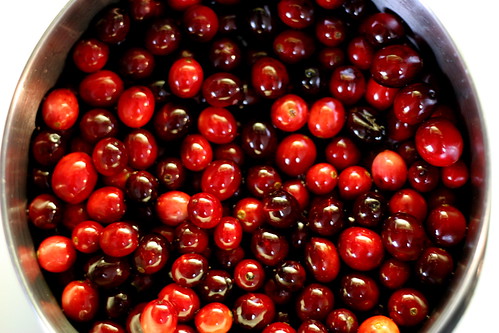
Cranberry by Half Chinese, on Flickr

In the fall, the cranberry’s heyday begins. Harvest season is marked by a sea of red for many regions, and while top cranberry producer Wisconsin is the state most recognized for its cranberry crop, Maine and parts of Canada also contribute to global cranberry production. Maine alone produces approximately 2 millions pounds annually, and this year, the state’s production may exceed 2.5, owing to few pest challenges and obliging weather conditions.

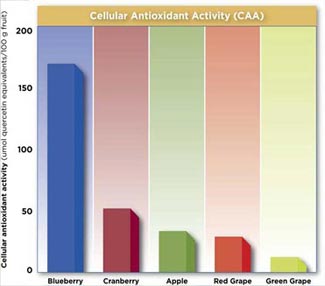
Known for its colorful skin and flavor pizzazz, the cranberry is one of just three fruits native to North America, where it enjoys renown for its distinctly sweet-tart flavor and its irrevocable role in juices and as a holiday complement. The cranberry is also a contender when it comes to antioxidant content. While wild blueberries outperform them when it comes to measuring both antioxidant capacity and cellular antioxidant activity, cranberries pack their own health punch. Just by virtue of being a member of the high-antioxidant, free radical-fighting berry family, they are implicated in many benefits for the brain and cardiovascular system, and as a defense against some cancers. Eating cranberries is a key part of experiencing the rainbow of colors that nature provides to assist in disease prevention efforts.

If this intrepid berry has piqued your interest, your timing is right on target. Here are five things that will help you better understand and embrace a colorful fruit this season.

1) An Historical Remedy

It’s widely known that cranberries are a lauded home remedy for urinary tract infections. Research into whether cranberries have earned their reputation as a UTI treatment is ongoing, but studies have found that they do provide a defense against the bacteria responsible for UTIs, as do wild blueberries. The berry’s ability to prevent bacterial attachment may also provide benefits for ulcers, for example. Native Americans were well acquainted with this bacteria-preventing characteristic – they would crush up cranberries and use them as treatment for wounds.

2) Berries from the Bog

Cranberries are known for their unique growing and harvesting method in bogs. Cranberries actually grow on vines – they thrive in soft, marshy ground and grow naturally in areas that provide this environment. When cranberries ripen on the vines growing in these wetlands, farmers fill the area with water. A machine used to beat the water releases the cranberries from their vines, and they are left to float on the water’s surface, creating the crimson tide that we know as the cranberry bog. There, the floating berries are easy to collect and ship.

3) Scarlet, Frankly

Initially, cranberries are white (harvesting while the berries are still white explains white cranberries and white cranberry juice) and they take on their deep ruby color with ripening, thanks to anthocyanin, a phytonutrient that provides color and health benefits. Natural sunlight is the catalyst to increasing phytonutrient content in the cranberry – the more sun, the more powerful the berry’s health benefits. Anthocyanins, found in all berries, promote health by fighting cell damage and reducing inflammation, a risk factor in many health issues, including cardiovascular disease and cancer.

4) Synergy

This red berry has more than spunk – it has synergy. Synergy is nature’s way of “packaging” nutrients that results in big health benefits. It occurs when components within the same food, or components between different foods, work together in a way that is more powerful than their effects would be separately. This heightened nutritional value supports disease prevention efforts and other aspects of health, such as weight loss. Some recent studies indicate that cranberries eaten whole rather than consumed as a liquid, dried, or in supplement form, for example, allow a synergistic reaction that heightens their dietary impact. (It’s the same with other foods like wild blueberries, a fruit that lends itself to being consumed whole if you are looking for a healthy, easy-to-eat alternative.) It’s another reason that buying the whole fruit is best for health – the special nutritional power of berries the way nature created them simply can’t be replicated.

5) Beyond the Bird

It might be early in the season to think about stuffing your Thanksgiving bird, but that’s no reason to wait to start enjoying cranberries. Berries of all kinds complete the health picture every day of the year by providing superb nutrition. And, cranberries are an excellent way to enjoy red-colored foods as we strive to eat across the color spectrum. Start welcoming them in your non-holiday recipes right now, in a Cranberry Relish for starters, to use in everyday sandwiches and sides. Enjoy a Cranberry Almond Cinnamon Tart to add zing to a meal, or bake Oatmeal Cranberry Cookies for the kids. Keep the trend going with Creamy Cranberry Salad to take full advantage of this colorful fruit. And, remember that you can substitute frozen wild blueberries for cranberries in many recipes.

Want a pie that packs and antioxidant punch? Please your palate with a Cranberry and Wild Blueberry Pie. Healthy eating never tasted so good!

What other fruits are native to North America? One is the wild blueberry, of course, indigenous to Maine and parts of Canada. The other is the Concord grape, which traces its history to nearby Concord, Massachusetts.

Photo Credit: “Cranberry”
Creative Commons Attribution 2.0 Generic LicenseHalf Chinese 

Wild Blueberry Shoulder Season: A Seamless Shift From Fresh to Frozen

“Shoulder season” is known to many in Maine and the Atlantic Provinces as the season to say goodbye to the last fresh local pint of wild blueberries. It refers to the time just after the height of the harvest and before the annual move into winter, and it marks a transition for growers and for the market as summer crops disappear and alternative sources take the place of local ones.

On the fields, the month of September ushers in a new phase of work. Barrens still bustle, but much less than they did during the demanding days of late August. Farmers use the month to clear weeds, clean farming equipment, and mow this season’s fruit-bearing plants – they will be next year’s unharvested ones, fitting with the two-year cycle of production that dictates only half of the fields are harvested each year while the other half regenerates.

In milder, coastal regions, September is still the season of fresh: wild blueberries can be found until mid-month in some areas. But for most of us, local sources for fresh summer produce are replaced with non-local alternatives when fall comes. The good news is if you live in Maine and parts of Canada and enjoy fresh local wild blueberries during the summer, you can still find the tasty locally sourced wild blues in your grocery store’s frozen aisle. Producers in the two nations work together with distributors to provide the indigenous frozen fruit throughout the winter months to those of us who live here and to consumers all over the country, ensuring that we always have plenty of uniquely delicious, powerfully nutritious berries for the entire year at our neighborhood market.

It’s sad to see them go – but it’s fortunate that we can still enjoy wild blueberries long after we have picked or purchased our last fresh pint. In fact, there are some important reasons why entering the season of frozen isn’t as bad as it might sound.

You Say Flash, I Say Quick, Let’s Call the Whole Thing IQF

Maybe you call it frozen-fresh. Maybe you say quick-frozen, flash-frozen or IQF. Either way, all terms refer to the individually quick freezing method that takes fruit or vegetables at their peak of ripeness on the bush or vine and freezes them, so they are preserved at their height of freshness, nutrition, and taste.

While frozen used to be considered a second choice to fresh foods, today we know that frozen, in addition to being convenient and available year round, provides consistent quality and nutritional value. In fact, according to the FDA, frozen is equally as nutritious as fresh.

Freezing at peak locks in freshness and nutrients until we are ready to eat them. It means that we can choose from a variety of foods that taste as good and are as good for us as they were the day they were harvested.

For Nutrition, Frozen is “Fail Safe” 

David B. Agus, a cancer doctor and researcher perhaps best known as the author of the New York Times bestseller The End of Illness, has been recognized for views that tend to push against traditional medical advice. He urges his patients to dispense with supplements, for instance, and rely on a strict daily schedule of sleeping and eating to reduce stress in our bodies that eventually leads to illness. He is also very vocal about the reliance on frozen, viewing it as one of the easiest ways to provide the nutrition we need to keep us living well and long.

Agus terms frozen “fail-safe” for consumers looking for a high concentration of nutrients. Frozen also allows us to choose from a variety of colors, which is the key to providing our bodies with the best nutrition and disease prevention, without relying on what has just come into the store or what is in season.

In The End of Illness, Agus also points out that frozen fruits and vegetables are immune to the degradation that occurs after food is picked, during transport, on the grocery store shelf, or in our own kitchen. With frozen, there’s no need to worry about using items quickly before they expire or “go bad” – they are always ready to eat, providing the same nutrition and taste whenever you use them.

Choosing the best foods we can is crucial to maintaining good health and fighting disease. To complicate matters, our choices must counteract the shortcomings of the processed, nutrient-poor food that for us as Americans is readily available. While most of us know that accomplishing that means a visit to the produce section, availability can be a challenge well after shoulder season has come and gone.

Local fresh fruits and vegetables just harvested in season are wonderful. We are lucky to enjoy their bounty at farm stands and farmer’s markets each year. But make no mistake: the frozen food aisle is a section of the supermarket that also bursts with life-lengthening, disease-preventing nutrition in a stunning array of perfectly preserved color stopped in time at its peak of perfection. Once we stop seeing frozen as a bastion of processed snacks and TV dinners and start seeing it for what it is, we’ll begin making food choices that will change and lengthen our lives – during the height of the summer and the depths of the winter.

So while it’s OK to lament the passing of the summer warmth and vacations, we can still celebrate shoulder season. For those of us who love wild blueberries and rely on them for our health, thanks to frozen, it’s simply a time of seamless transition.

How do I substitute frozen for fresh?…Should I thaw before using?…How do I prevent batter from turning blue? Get answers to these and other popular questions about cooking and baking with frozen wild blueberries at FAQ Blue.

Have fresh wild blues you’d like to freeze? For some, freezing fresh berries using a baking sheet and a zipper-bag is a shoulder season tradition!

Study: Wild Blueberries May Protect DNA from Damage

New data suggests that juice made from wild blueberries may reduce oxidative damage to DNA by around 3% and decrease the risk of cardiovascular and degenerative diseases.

Read more about the intriguing role of phytochemicals in this new research!